Introduction
Namibia has made meaningful strides in advancing gender equality, particularly in the domains of education and political representation. Women currently occupy nearly half the seats in the National Assembly, a milestone that reflects sustained policy commitment to gender parity in governance. Yet despite these institutional achievements, gender disparities in economic participation remain stark. Women entrepreneurs, particularly those operating in informal and rural sectors, continue to encounter systemic barriers to accessing capital, substantially constraining their capacity to grow businesses, generate employment, and contribute meaningfully to national economic development (1).
In response to these challenges, the Namibian government has established targeted financial instruments, including the Women and Youth Development Fund and small and medium enterprise (SME) financing programs administered through the Development Bank of Namibia (DBN). Nonetheless, empirical evidence reveals that women remain significantly underrepresented among loan recipients. In 2024, the DBN reported that women and youth combined accounted for approximately 11% of its overall loan portfolio, prompting a strategic target to raise this proportion to 30% by 2029 through more intentionally designed financial products. Separately, disaggregated data indicate that women represent fewer than 30% of beneficiaries within a specific DBN SME sub-portfolio, a figure drawn from a different reporting category and reference period from the overall loan disbursement statistics (2).
Beyond access to formal credit, women-owned businesses frequently struggle to satisfy the collateral requirements and documentation standards of traditional lenders, reinforcing entrenched patterns of exclusion. Gender bias in credit assessment, limited rural outreach, insufficient financial literacy among female entrepreneurs, and constraints on women’s decision-making autonomy are recurrently identified as compounding barriers (3). For instance, despite relatively high national literacy rates, many women lack the specific financial management competencies required to navigate loan application processes effectively.
These national patterns are consistent with the broader regional and global evidence base. Internationally, the World Bank’s Global Findex Database shows that the gender gap in formal account ownership across Sub-Saharan Africa remains among the widest of any world region, with women systematically less likely than men to hold an account, save formally, or borrow from a regulated financial institution (4). At the national level, Namibia’s own FinScope MSME survey similarly finds that women-owned micro and small enterprises are more reliant on informal savings and credit mechanisms and less likely to access bank or development finance institution (DFI) financing than their male counterparts (5, 6). Read together, this international and national evidence indicates that the barriers documented in Namibia are not idiosyncratic but reflect a structural pattern common to gender-based financial exclusion across the region.
Continental policy responses corroborate this evidence base and situate Namibia within a broader regional effort. The African Development Bank’s Affirmative Finance Action for Women in Africa (AFAWA) programme, launched to address an estimated $42 billion financing gap facing women-led businesses across the continent, aims to unlock up to $5 billion in financing for women entrepreneurs by working with regional financial institutions to reduce collateral requirements and de-risk lending portfolios (7). The scale of this pan-African response indicates that the barriers documented in Namibia reflect a shared regional challenge rather than an isolated national condition, further motivating the internationally informed, gender-lens approach adopted in this study.
This paper contends that gender inequality in entrepreneurship is not merely an economic phenomenon but is deeply embedded in structural and cultural dynamics that circumscribe women’s agency within financial systems (3). These intersecting impediments persist even in contexts of formal legal equality and political representation. Deploying a gender-lens framework, one that aligns financial products, policies, and institutional practices with women’s lived realities, represents a transformative strategy for dismantling exclusionary barriers. Encouraging precedents are already evident: the Environmental Investment Fund of Namibia (EIF), supported by the investment climate reform (ICR) Facility, conducted an institutional gender assessment, revised its monitoring and evaluation system to incorporate gender-responsive indicators, and appointed internal gender champions to ensure sustained accountability.
Enhancing women’s access to finance in Namibia is simultaneously an economic imperative and a matter of social equity. A comprehensive gender-lens financing paradigm encompassing intentional product innovation, institutional reform, and socio-cultural transformation holds the potential to unlock women’s entrepreneurial contributions, support inclusive growth, and advance a more equitable financial future for Namibia (8).
Despite this growing body of national and international evidence, a specific research gap remains in the Namibian literature, and it is this gap that the present study is designed to address. Existing studies of gender and financial inclusion in Namibia are predominantly national in scope and rely on aggregate secondary statistics (3, 6, 9), while comparatively few studies combine primary survey evidence from women entrepreneurs with the institutional perspective of the financial institutions that serve them, or examine how these two perspectives converge or diverge within a single regional setting. This study addresses that gap by triangulating primary survey and interview data from the Khomas Region with national secondary data, thereby offering a more granular, practice-relevant account of how gender-based financial exclusion operates in Namibia and how a gender-lens financing paradigm can be operationalised in policy and institutional practice.
Literature review
Gender-lens investing and development finance
Gender-lens investing (GLI) refers to the deliberate incorporation of gender-based analysis into financial decision-making, with the dual purpose of generating social impact and achieving sustainable financial returns (10). The premise of GLI is that women face systemic disadvantages within conventional financial architectures, and that proactively countering these inequities requires instruments explicitly designed to address them. Women-owned small and medium enterprises in developing economies face an estimated annual financing gap of $1.7 trillion (8), reflecting the scale of structural exclusion that gender-neutral financial systems perpetuate.
Data from the International Finance Corporation indicate that women-led businesses receive a disproportionately small share of formal investment capital, with female entrepreneurs consistently underrepresented among recipients of venture capital and growth finance (8). Structural barriers, including collateral norms that privilege formal fixed asset ownership, risk profiling models that penalize informality, and gendered perceptions of creditworthiness, persistently undermine women’s financial inclusion. GLI further emphasizes inclusive governance within financial institutions: organizations with greater female representation in senior decision-making roles demonstrate both improved institutional performance and heightened gender sensitivity in product design (8).
Critically, for GLI instruments such as non-collateralized loans and group guarantee schemes to achieve adoption by development finance institutions at scale, the financial viability argument must accompany the equity case. Portfolio performance evidence from comparable GLI programs across sub-Saharan Africa, including initiatives in Kenya, Rwanda, and South Africa, demonstrates that gender-responsive lending can sustain acceptable risk-adjusted returns while significantly expanding financial inclusion (8). This dual-return evidence base is essential for mobilizing institutional commitment beyond rhetorical endorsement.
This regional evidence is corroborated by global data. The World Bank’s Global Findex Database 2021 estimates that, across Sub-Saharan Africa, women are on average 7% points less likely than men to own a formal financial account, and the gap widens further for indicators of formal borrowing and savings (4). The persistence of this gap across markedly different institutional and regulatory environments strengthens the argument that gender-based financial exclusion is a structural, rather than purely local, phenomenon reinforcing the case for the internationally informed gender-lens approach adopted in this study.
Women entrepreneurs in Namibia
Women constitute approximately 52% of Namibia’s population and are disproportionately active in micro- and small-scale enterprises within the informal sector (9). These ventures are typically undercapitalized and concentrated in low-margin sectors such as subsistence agriculture, artisanal crafts, and informal retail. Structural constraints are well-documented: limited access to formal business networks, inadequate financial record-keeping, and socio-cultural norms that restrict women’s mobility and autonomous decision-making collectively impede entrepreneurial advancement (11, 12).
While the Namibian government has introduced entrepreneurship development initiatives, their reach and sustained impact have been constrained. Rural women, in particular, remain largely excluded from mainstream financial services due to infrastructural deficits, geographic isolation, and pervasive social exclusion (1). These structural and cultural barriers interact to reproduce cycles of marginalization, preventing women from advancing economically even where legal frameworks nominally support their participation.
National survey evidence adds further texture to this picture. The FinScope Namibia (5) finds that women-owned micro- and small enterprises are markedly more reliant on informal savings groups and family lending than on formal bank or DFI credit and are less likely than male-owned enterprises to have ever applied for a loan. The Bank of Namibia’s Financial Stability Report similarly notes persistent disparities in the geographic and gender distribution of formal credit, with lending remaining concentrated in urban, formally registered enterprises (6). Taken together, these national data sources corroborate the more qualitative institutional findings reported elsewhere in the Namibian literature (3) and provide the empirical backdrop against which the primary findings of this study are interpreted.
Existing financial mechanisms
Namibia’s development finance landscape encompasses a range of public and semi-public instruments, including: the Women and Youth Development Fund administered by the Ministry of Gender Equality, Poverty Eradication and Social Welfare; the DBN’s SME financing schemes designed to support business expansion and formalisation; and various capacity-building programmes delivered by regional councils, international development partners, and non-governmental organisations (11).
Despite these interventions, data from the DBN (2) indicate that women represent fewer than 30% of beneficiaries within a specific SME sub-portfolio, revealing significant disparities in outreach effectiveness and product alignment (2). It is important to note that this figure derives from a different reporting category than the 11% combined women-and-youth share of the overall loan portfolio; reconciling these statistics against a consistently defined, gender-disaggregated dataset for the same reference year remains a methodological priority for future research. These gaps collectively reflect a misalignment between the design of financial products and the lived realities of women entrepreneurs, a misalignment that gender-lens principles are specifically positioned to address (10).
Research gap
The literature review establishes three points clearly: that gender-based financial exclusion is a well-evidenced international phenomenon (4); that Namibia exhibits the same pattern at the national, aggregate level (5, 6, 9); and that structural, institutional, and socio-cultural mechanisms of exclusion have been identified conceptually (3, 11). What remains comparatively underexplored is how these mechanisms are experienced concurrently by women entrepreneurs and understood by the institutions that serve them, within a single, bounded geographic setting where both perspectives can be triangulated. By combining primary survey data from 50 women entrepreneurs with 15 semi-structured stakeholder interviews in the Khomas Region, this study is positioned to close part of that gap, offering region-specific, mixed-methods evidence that can inform both national policy design and institutional practice at the level of individual DFIs and lenders.
Methodology
This study employed a convergent mixed-methods research design, triangulating quantitative survey data with qualitative interview findings to produce comprehensive and contextually grounded insights (13). The geographical scope of primary data collection is confined to the Khomas Region of Namibia. Primary findings should therefore be interpreted as regionally situated, while national secondary data inform broader contextual observations where applicable. Data collection took place over a 12-week period between March and May 2026.
Quantitative component
A structured survey instrument was administered to a purposively selected sample of 50 women entrepreneurs in the Khomas Region, stratified by sector of operation and business formality status. Of 60 women approached across informal markets, business incubation hubs, and registered SME associations, 50 completed usable questionnaires, yielding a response rate of 83%. Survey items addressed dimensions of access to finance, barriers encountered during credit application processes, awareness and utilization of government and DFI support programs, and financial literacy.
The instrument was developed from constructs identified in the literature review (3, 8) and was piloted with five women entrepreneurs who were not included in the final sample; pilot feedback informed minor revisions to question wording and response scale anchoring to improve clarity. The five-point institutional-interaction rating scale used in the survey (see Section “Results and discussion”) demonstrated acceptable internal consistency in this sample (Cronbach’s α = 0.81). Descriptive and inferential statistical analysis was conducted using IBM SPSS Statistics (Version 27), including chi-square tests of association, one-way analysis of variance (ANOVA) with Tukey HSD post-hoc comparisons, and binary logistic regression.
Qualitative component
In parallel, 15 semi-structured interviews, each lasting approximately 45–60 minutes, were conducted with key stakeholders drawn from development finance institutions, commercial banks, relevant government ministries, and women-focused civil society organizations. Participants were selected using purposive and snowball sampling techniques to ensure relevance and diversity of institutional perspectives (14). Interviews were conducted in English, audio-recorded with participants’ written consent, and transcribed verbatim. Transcripts were analysed using NVivo (Version 14) following an inductive thematic analysis approach based on the framework established by Braun and Clarke (15), with emergent themes subject to member checking whereby preliminary themes were shared with a subset of participants for verification to strengthen credibility and transferability.
Data integration and analytical limitations
Quantitative and qualitative strands were analyzed separately before being merged at the interpretation stage, consistent with a convergent mixed-methods design (13): quantitative results identified the magnitude and statistical significance of barriers, while qualitative findings explained the institutional and socio-cultural mechanisms underlying those patterns. This study acknowledges several methodological limitations. The primary sample is confined to the Khomas Region and cannot be considered nationally representative. Future research should incorporate stratified random samples from a minimum of three of Namibia’s 14 regions, including rural northern and southern constituencies, to enable robust national generalization. Additionally, the feasibility of capturing the full rural-urban spectrum within a single region is inherently constrained, and the modest sample size (N = 50) limits the statistical power of some subgroup comparisons, a consideration reflected in the cell-sparsity caveat reported for the chi-square analysis in Section “Results and discussion”.
Ethical considerations
All participants were provided with a written informed consent before participating, in accordance with institutional ethical research guidelines. Participants were informed of their right to withdraw at any stage without consequence. Participant confidentiality was maintained throughout; all interview data are reported in anonymized form, and no individually identifying information is disclosed in this paper.
Findings
Structural barriers
A substantial majority of survey respondents (67%) reported an inability to provide collateral acceptable to formal financial institutions, one of the most fundamental eligibility requirements for credit access. Many women indicated ownership of assets, including livestock and informal market stalls that are not recognized as bankable collateral under prevailing lending criteria (2). Furthermore, traditional inheritance practices in numerous communities restrict women’s capacity to acquire titled land or registered property, thereby disqualifying them from the primary asset-based collateral frameworks used by most DFIs.
Additionally, 58% of participants reported being either unaware of available government financial support schemes or lacking sufficient information to navigate application processes effectively. This finding reveals a significant deficit in information dissemination, most acute in rural constituencies where literacy levels, digital connectivity, and community-level financial advisory services are most constrained (11). Insufficient engagement between financial institutions and rural communities further compounds this informational exclusion.
Institutional barriers
Stakeholder interviews revealed that the majority of development finance institutions operate under nominally gender-neutral credit policies that fail to account for the structural disadvantages women entrepreneurs face. Credit assessment processes anchored in formal financial histories, fixed asset ownership, and formalized business models are fundamentally misaligned with the operating realities of most women-owned enterprises, which are concentrated in the informal sector and characterized by irregular income streams (3).
Only 22% of survey respondents described their interactions with formal financial institutions as positive, with the remainder citing bureaucratic processes, unsupportive customer service, and discriminatory attitudes as principal deterrents. Several women reported being actively discouraged from applying for loans or being required to present a male guarantor, practices that reflect deep-seated gender biases within institutional culture and credit officer conduct (3). These experiences not only directly impede access to finance but also erode women’s confidence and willingness to engage with formal financial systems over time.
Socio-cultural barriers
Socio-cultural norms continue to exert significant influence on women’s entrepreneurial and financial agency, particularly in rural communities. Respondents reported that male household members frequently exercise control over household assets and income, constraining women’s autonomous decision-making regarding business investment and credit applications (11). Disproportionate domestic and caregiving responsibilities borne by women, a well-documented pattern in gender and development literature, reduce the time, mobility, and cognitive bandwidth available for entrepreneurial activity and engagement with financial service providers (3).
Social perceptions that position entrepreneurship as a predominantly male domain further shape women’s self-efficacy, resulting in reduced risk-taking, lower rates of business formalization, and limited community support for women-led ventures (1). These intersecting cultural dynamics collectively inhibit women’s capacity to engage with available financial mechanisms, irrespective of their formal existence.
Case studies
Women and youth development fund
Established to provide financial support to economically marginalized women, the Women and Youth Development Fund has demonstrated a number of programmatic limitations that constrain its reach and impact. Outreach has remained predominantly urban-centered, and application processes are poorly aligned with the practical realities of low-literacy, rural applicants who may lack formal documentation, internet connectivity, or proximity to administrative offices (11). The absence of robust monitoring and evaluation systems further hampers the Fund’s ability to assess impact, identify underserved populations, and adapt programming accordingly.
Several stakeholders interviewed during this study raised concerns reported in anonymized form in accordance with ethical protocols regarding inconsistencies in fund disbursement processes and the need for greater transparency in beneficiary selection. These observations, while requiring corroboration through official audit records or parliamentary oversight findings before definitive conclusions can be drawn, suggest that governance structures surrounding the Fund warrant closer scrutiny (11). Strengthening accountability frameworks would be essential for restoring institutional credibility and ensuring resources reach intended beneficiaries.
Development Bank of Namibia SME products
The DBN has introduced a range of SME financing products intended to improve accessibility, including flexible repayment schedules and complementary technical assistance. However, uptake among women entrepreneurs remains low. Qualitative data from stakeholder interviews reveal that many women perceive the DBN as institutionally inaccessible, citing complex application requirements, documentation demands associated with business formalization, and limited grassroots presence as primary deterrents (2).
A notable tension within the DBN’s current model relates to its emphasis on formal business registration as a prerequisite for loan eligibility, a requirement that systematically excludes the informal enterprises in which the majority of women entrepreneurs operate (9). While the DBN has undertaken recent efforts to decentralize service delivery, these initiatives remain insufficient in scope and reach to meaningfully serve women entrepreneurs in remote and peri-urban areas. Integrating informal income assessment methodologies and piloting community-based lending officers would represent meaningful steps toward bridging this accessibility gap (8).
Results and discussion
A genuine gender-lens approach to development finance demands more than incrementally increasing the number of female loan beneficiaries. It requires a fundamental reorientation of institutional norms, financial product architectures, and performance measurement frameworks to authentically reflect women’s lived economic realities (10). The findings of this study situated within the Khomas Region and corroborated by national secondary data indicate that the current development finance architecture in Namibia remains structurally and culturally misaligned with the needs of women entrepreneurs. Broader national generalization requires multi-regional primary research.
Despite a policy environment that espouses gender-neutral inclusion, most financial institutions and government programs continue to operate under assumptions that effectively reproduce exclusion in a context of entrenched gender inequality (3). Creditworthiness assessments anchored in formal financial records, fixed asset ownership, and large-scale business models are structurally biased against women entrepreneurs whose enterprises are characterized by informality, asset poverty, and non-traditional models. This misalignment necessitates the development of gender-responsive financing instruments, inclusive data systems, and systematic institutionalization of gender sensitivity across financial sector organizations (8).
Socio-cultural transformation must accompany institutional reform if the structural barriers identified in this study are to be durably addressed. Gender-based constraints on asset ownership, physical mobility, and household decision-making significantly curtail women’s economic agency in ways that financial product innovation alone cannot overcome (1). A holistic strategy integrating financial access initiatives with legal reform, financial education, social norm change programming, and community engagement is necessary to dismantle the interlocking barriers that sustain women’s entrepreneurial exclusion.
Furthermore, the financial sustainability of proposed gender-responsive instruments must be demonstrated to secure DFI adoption at scale. Evidence from comparable GLI programs across sub-Saharan Africa including Kenya’s Jamii Bora Trust, Rwanda’s Urwego Opportunity Bank, and South Africa’s Women’s Development Business illustrates that non-collateralised lending and group guarantee models can maintain portfolio quality while achieving significant outreach among previously excluded women (8). Building this evidence base within the Namibian context, through piloting and rigorous impact evaluation, is a necessary precondition for institutionalizing gender-lens financing within the country’s development finance architecture.
The quantitative and qualitative results underlying this discussion are presented in Tables 1–7 and Figures 1–7, following standard reporting conventions for descriptive, comparative, and inferential statistics.
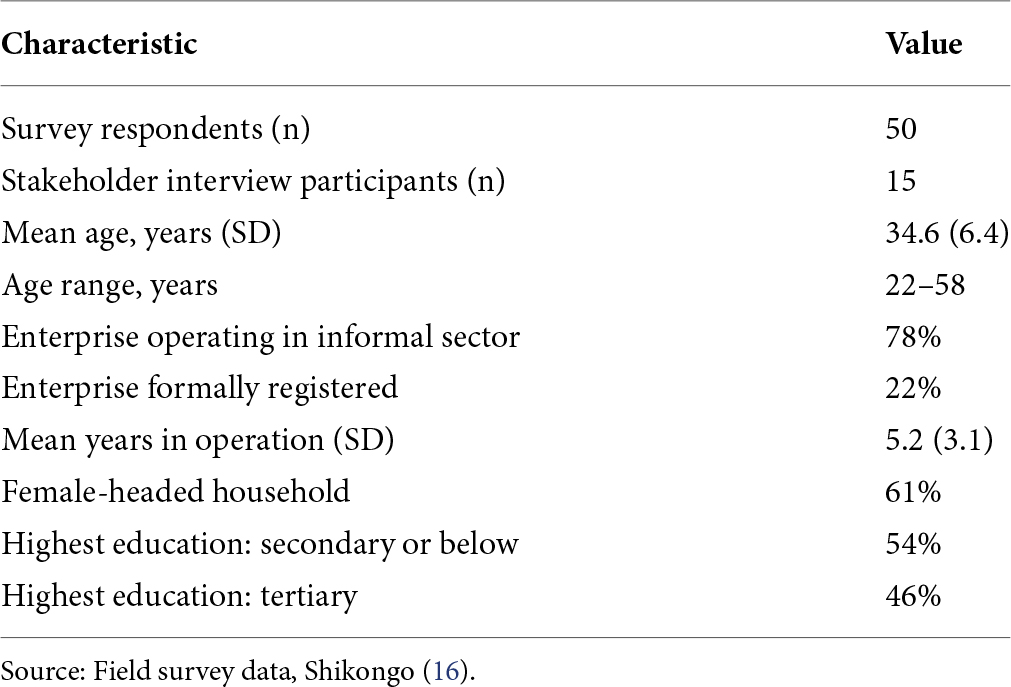
Table 1. Socio-demographic profile of survey respondents (N = 50)
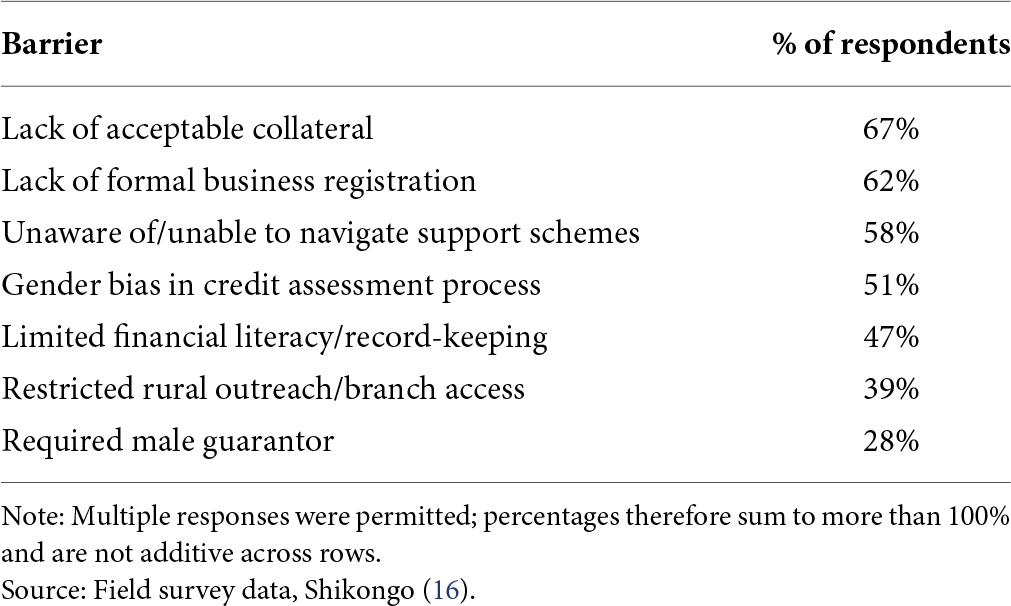
Table 2. Frequency of barriers to accessing finance reported by respondents (N = 50).
This table establishes the foundational profile of the study’s participants. With a total of 50 survey respondents and 15 stakeholder interviewees, the sample is small but purposively constructed for depth rather than breadth. The mean age of 34.6 years (SD = 6.4) indicates a relatively young, economically active cohort, with a tight spread; most respondents fall within roughly 28–41 years of age. The 78% informal-sector representation is the most telling figure: it immediately signals why conventional lending criteria fail this group, since informality is precisely what standard credit appraisal systems penalize through requirements for formal financial records, registered business premises, and fixed assets.
Figure 1 gives immediate visual salience to the informality of the sample. The two largest segments, informal retail trade (36%) and agriculture/handicrafts (24%), together account for 60% of respondents. The relatively slim formal SME slice (18%) underscores the structural mismatch: development finance institutions design products around formal businesses, yet the vast majority of this sample sits outside that framework.
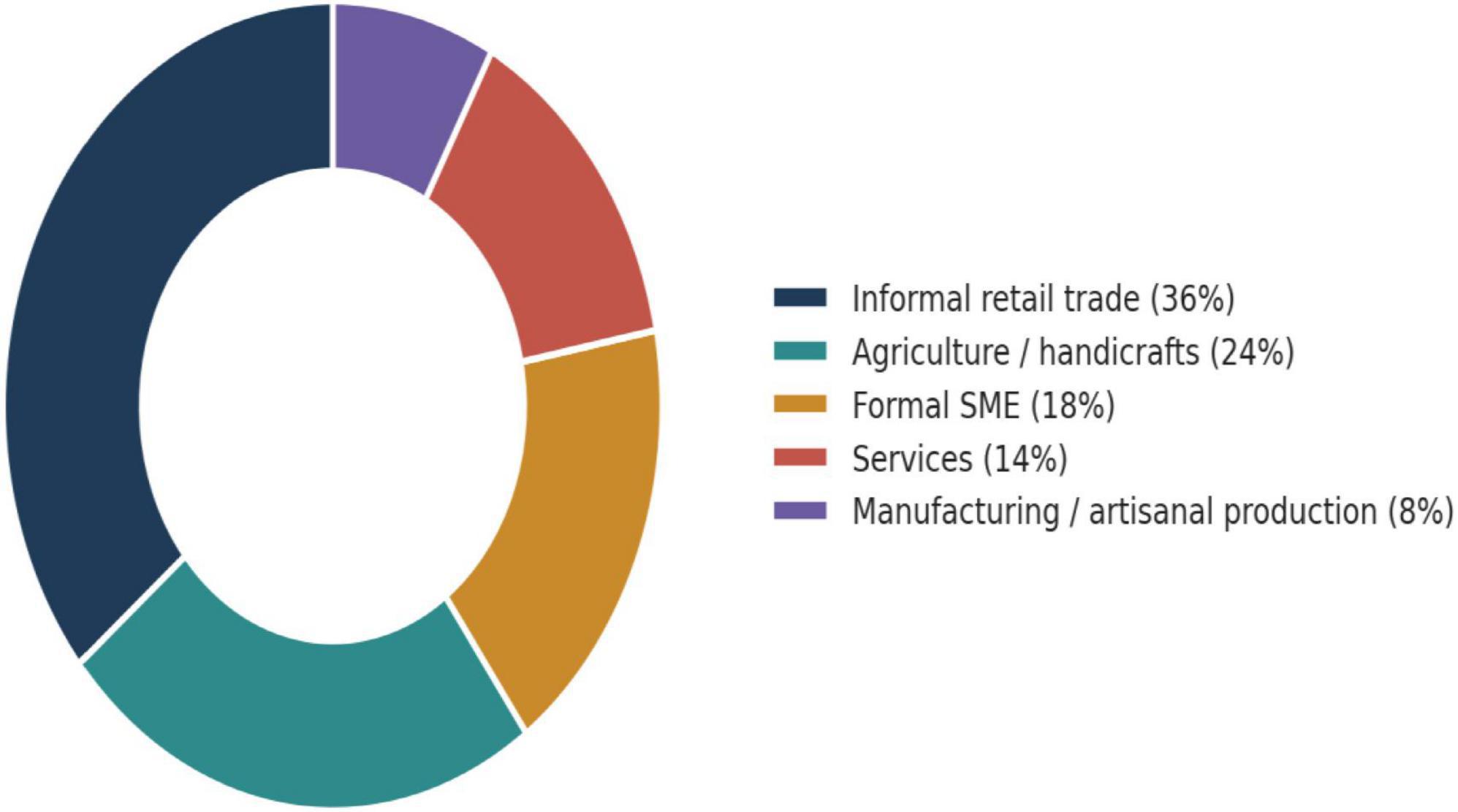
Figure 1. Sector of Operation of Surveyed Women Entrepreneurs (N = 50). Source: Field survey data, Shikongo (16).
The collateral barrier tops the list at 67%, validating the paper’s assertion that asset-based lending is structurally discriminatory in a context where women’s property rights are constrained by inheritance practices. The 62% who lack formal registration and the 58% who are unaware of programs together reveal a compounding vulnerability: not only are women excluded by product design, but they are also excluded by information asymmetry.
The horizontal orientation of Figure 2 accommodates the length of the barrier labels and allows direct comparison of magnitudes. Color-coding by barrier type visually communicates that the barriers do not belong to a single domain, while the descending order makes the hierarchy of severity immediately legible: collateral requirements and lack of formal registration occupy the top two positions, together affecting more than 60% of respondents.
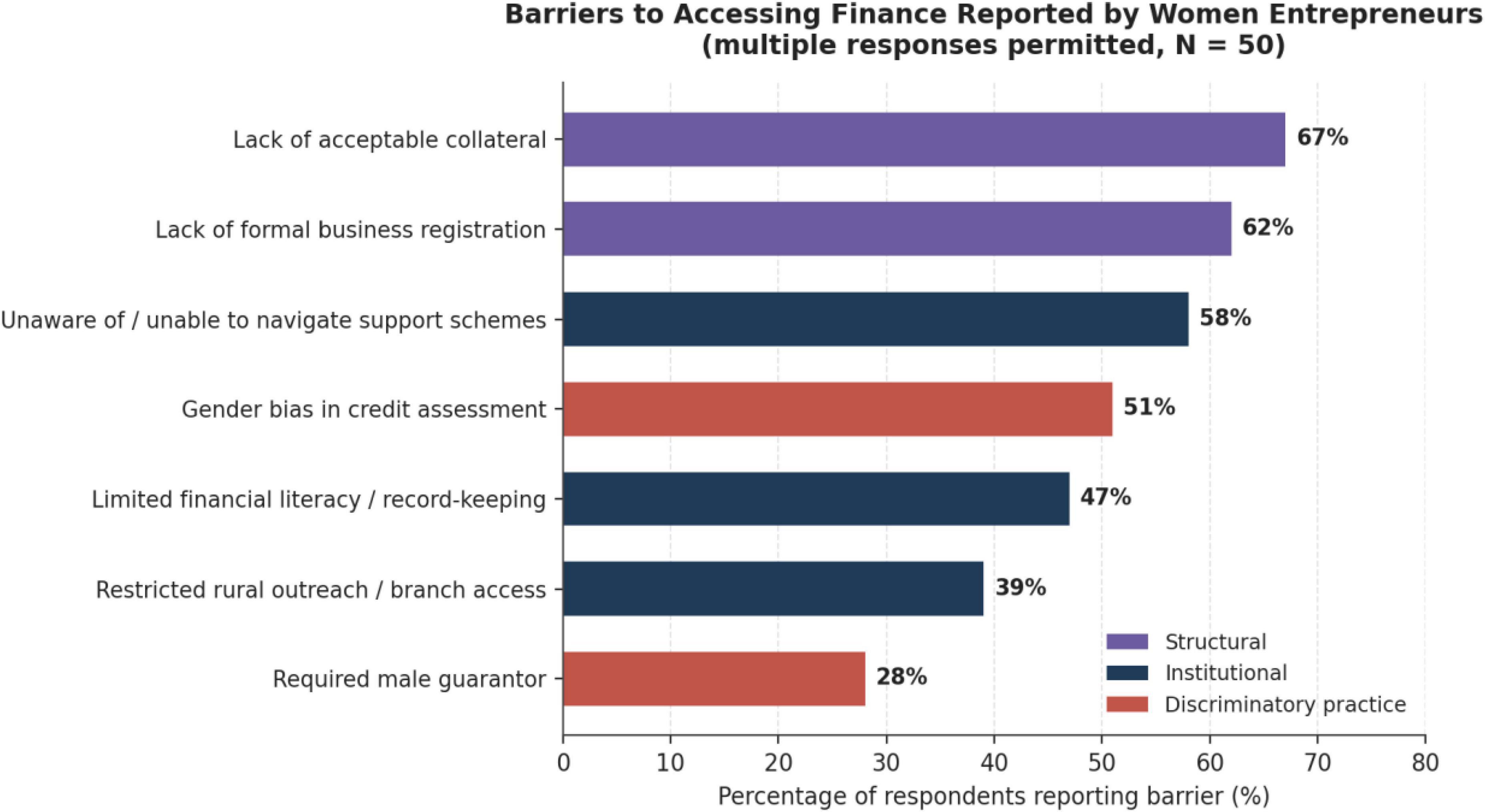
Figure 2. Barriers to accessing finance, by structural, institutional, and discriminatory domain. Source: Field survey data, Shikongo (16); barrier-domain classification based on thematic analysis of stakeholder interview data.
This descriptive statistics table translates subjective experience into measurable form. The mean scores ranging from 1.88 to 2.71 on a 5-point scale are uniformly below the neutral midpoint of 3.0, meaning no dimension of institutional interaction was rated neutrally or positively on average. The lowest-rated dimension, perceived fairness of credit assessment (M = 1.88, SD = 0.77), has the tightest standard deviation, indicating strong consensus among respondents that assessments are unfair. The highest-rated dimension, branch accessibility (M = 2.71), reflects the urban setting of the Khomas Region sample, where physical proximity to institutions is less of a barrier than it would be in rural areas. The positive skewness values across all dimensions confirm distributional clustering at the negative end, meaning strongly negative experiences dominate.
Figure 3 makes the pattern in Table 3 unmistakable: every dimension falls in the lower half of the 0–5 scale. Branch accessibility stands out as a relative high point at 2.71, while fairness of credit assessment and staff gender sensitivity barely clear 1.9, visually close to “very negative.”
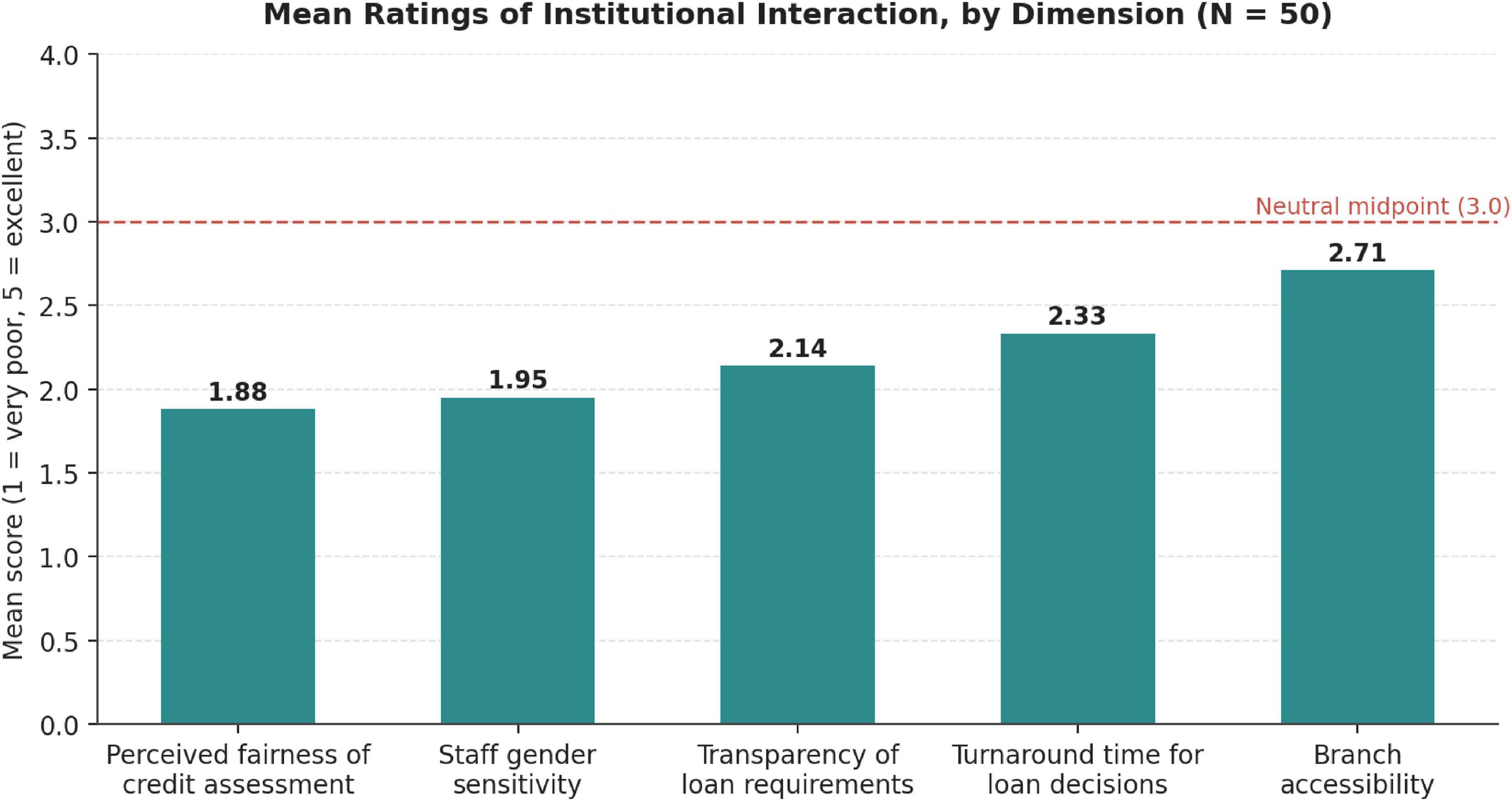
Figure 3. Mean ratings of institutional interaction, by dimension (N = 50). Source: Field survey data, Shikongo (16).
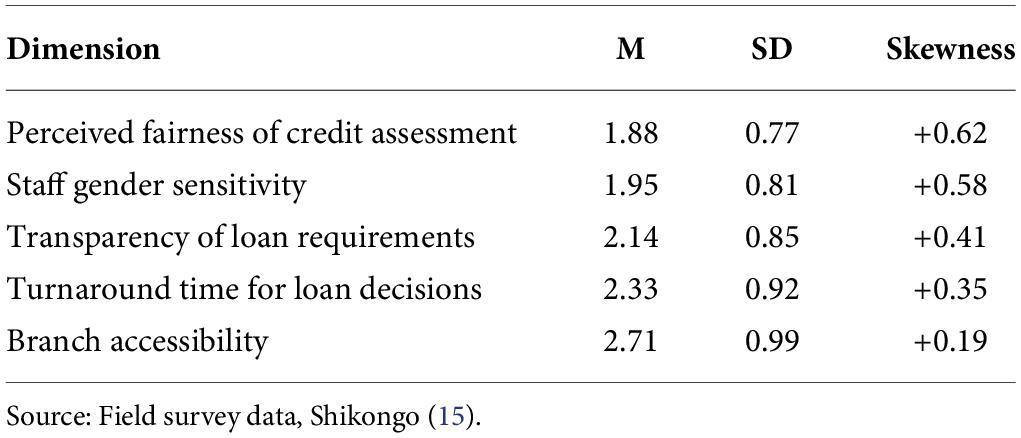
Table 3. Descriptive statistics of institutional interaction ratings (1 = very poor, 5 = excellent; n = 50).
This table is among the most policy-actionable in the entire analysis. The uptake gap column reveals that awareness does not translate into application, a finding that challenges simple “information deficit” explanations for low program uptake. The widest gap belongs to commercial bank women’s products (34% points), suggesting that even when women know these products exist, other structural or institutional deterrents prevent engagement. NGO microfinance has the narrowest gap (16 pp) and the highest application rate (18%, tied with commercial banks but from a much smaller awareness base), consistent with the paper’s argument that community-embedded, flexible delivery models better match women’s realities. The average uptake gap of 25.2% points across all programs is a quantified indictment of product-reality misalignment.
The grouped bars in Figure 4 make the awareness-to-application gap the visual story. For every program, the awareness bar exceeds the application bar, and the gap between them is the uptake deficit. A reader who examines only this chart, without consulting Table 4, quickly understands the fundamental policy issue: merely being aware of a program’s existence does not ensure that women can access it.
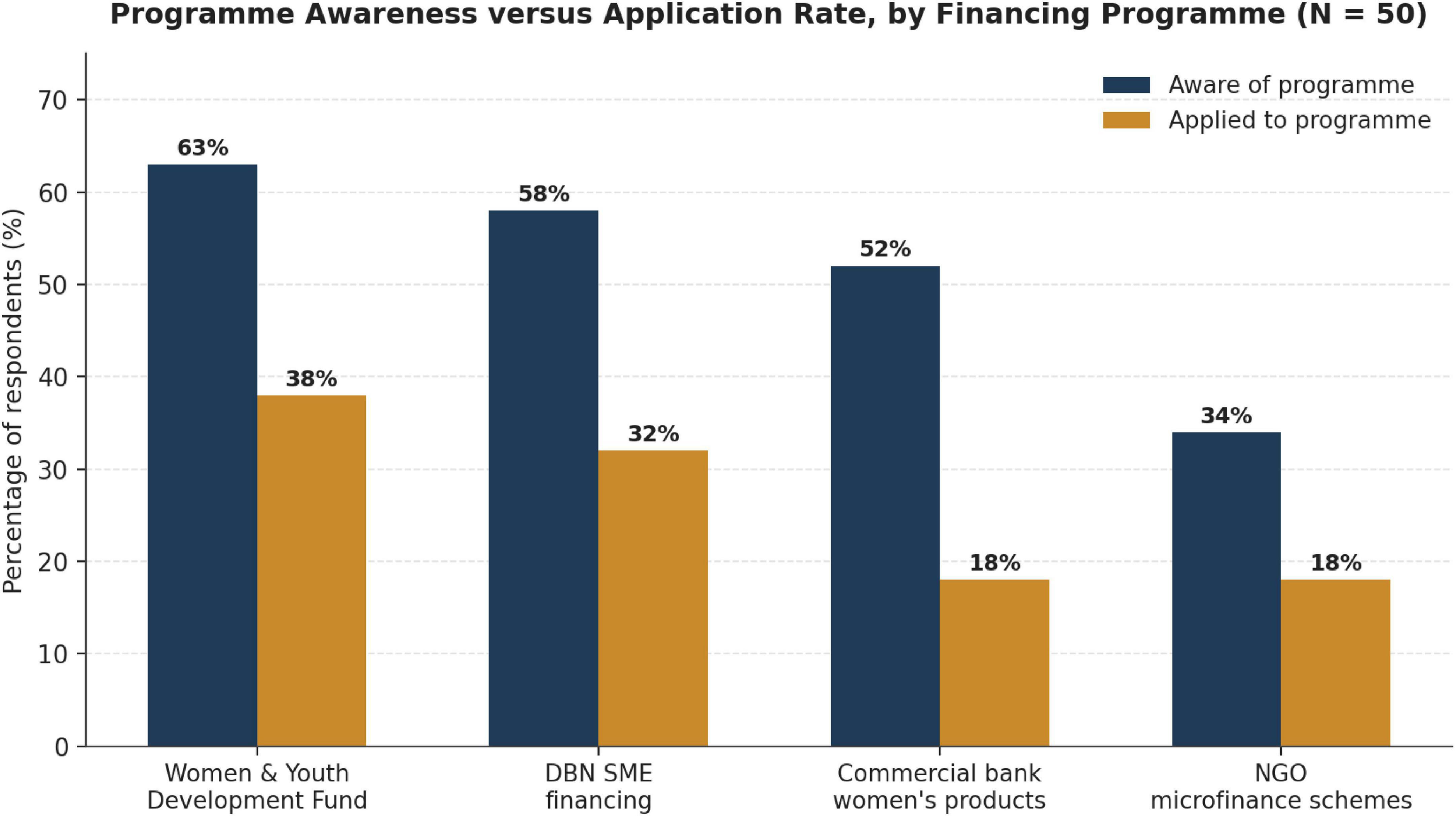
Figure 4. Program awareness versus application rate, by financing program (N = 50). Source: Field survey data, Shikongo (16).
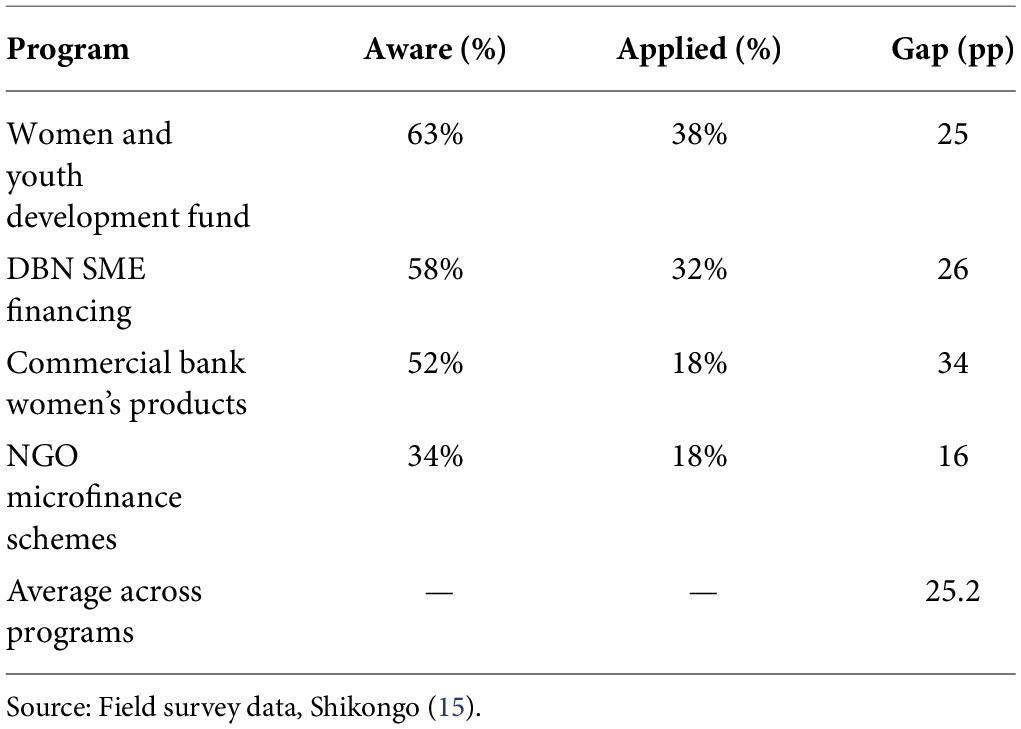
Table 4. Program awareness versus application rate, by financing program (N = 50).
This inferential test establishes that the relationship between business formalization and loan application is not due to chance. The Pearson chi-square value of 14.382 with 3 degrees of freedom yields p = 0.002, well below the conventional α = 0.05 threshold. Cramér’s V of 0.536 indicates a moderate-to-strong effect size, meaning sector formality does not merely correlate weakly with lending engagement; it is a substantively important predictor. The caveat that 25% of cells have expected counts below five is a standard caution about cell sparsity in small samples, and the likelihood ratio result (p = 0.003) closely mirrors the Pearson finding, lending robustness to the conclusion.
Figure 5 gives the ANOVA findings reported in Table 6 a concrete visual form. The ascending pattern from left to right from 8.4 for the youngest group to 13.1 for the oldest communicates the age gradient in financial literacy clearly. The 20-point maximum on the scale contextualises the absolute scores: even the highest-performing age group (46+, M = 13.1) only reaches 65.5% of maximum possible literacy, indicating widespread room for improvement across all cohorts.
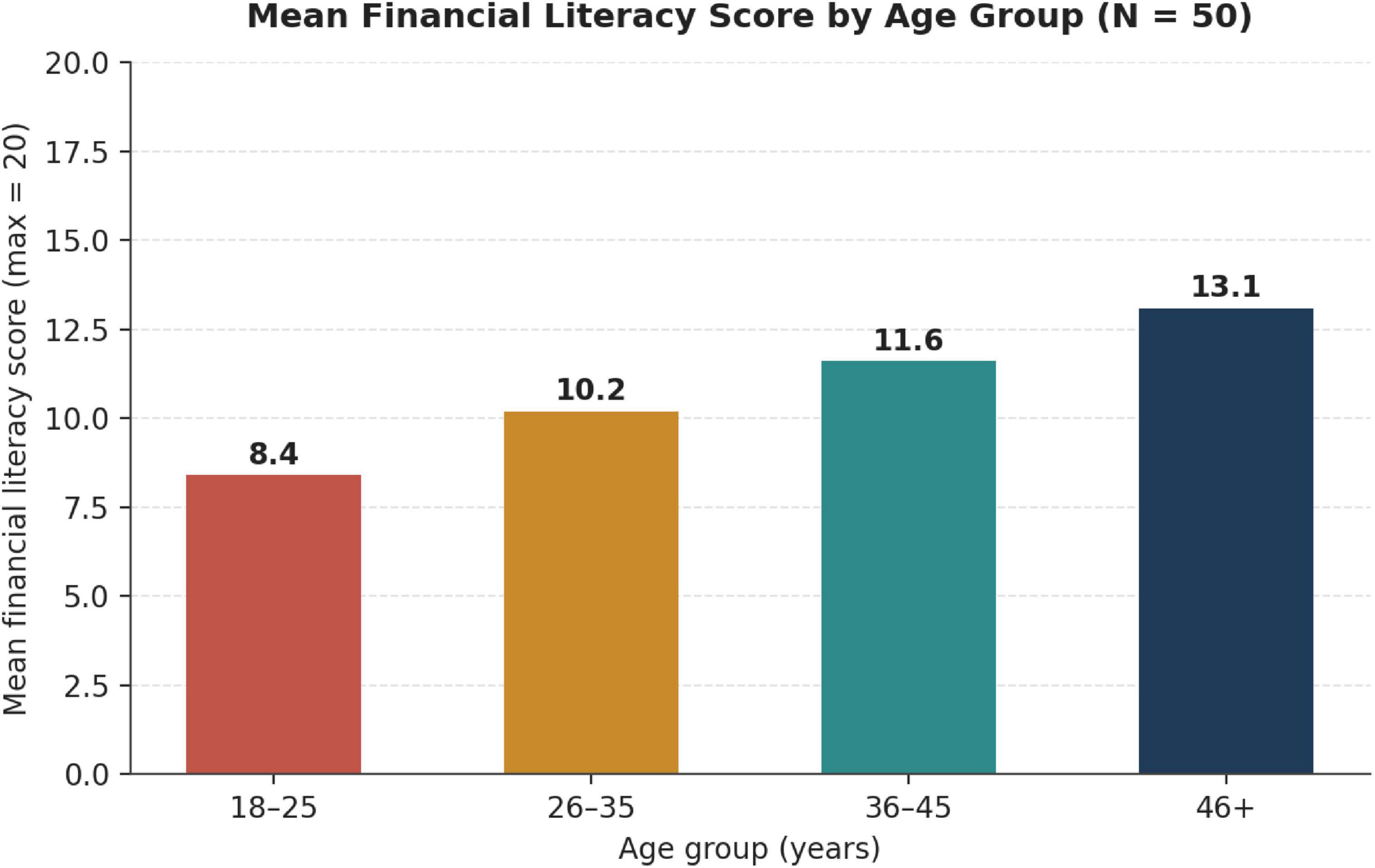
Figure 5. Mean financial literacy score by age group (N = 50). Source: Field survey data, Shikongo (16).
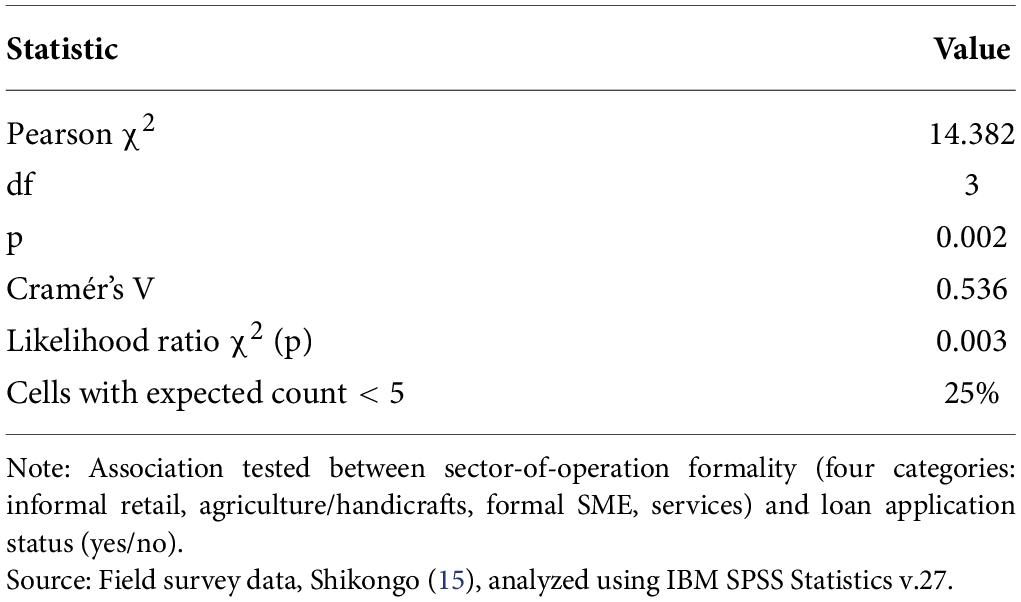
Table 5. Chi-square test of association between business formality and loan application.
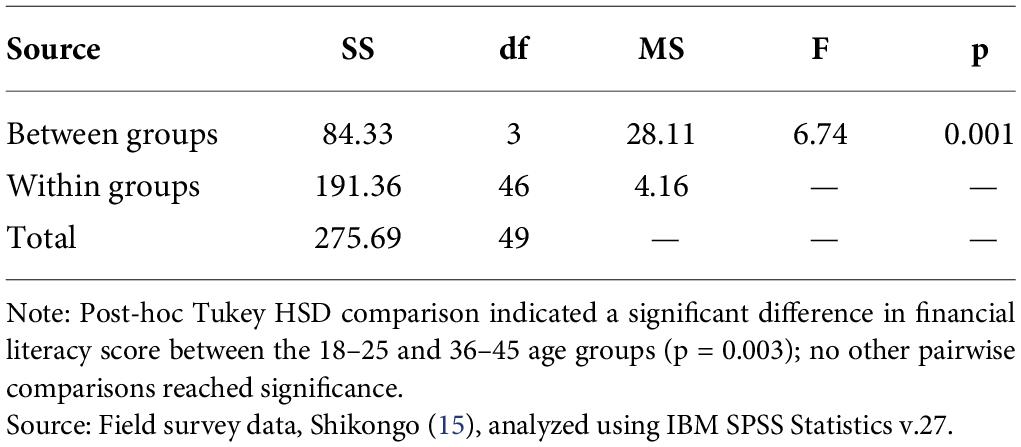
Table 6. One-way analysis of variance (ANOVA): financial literacy score by age group.
The between-group mean square (28.11) is substantially larger than the within-group mean square (4.16), producing an F-ratio of 6.74 and a significance level of p = 0.001, strongly rejecting the null hypothesis that all age groups score equally. The relatively small within-group variance suggests that respondents within each age bracket are fairly homogeneous in literacy, while differences across brackets are real and meaningful. The post-hoc result pinpointing the 18–25 vs. 36–45 gap provides actionable targeting information: younger women, not older women, are the priority audience for financial literacy interventions.
Figure 6 translates the regression coefficients reported in Table 7 into the more intuitive odds-ratio metric, stripping out the non-significant predictor (age) to keep the visual focused on actionable findings. Program awareness anchors the chart at OR = 3.61, more than double the financial literacy bar (OR = 1.51) at the bottom. All bars exceed 1.0 (the null/no-effect value), confirming that every displayed predictor increases the probability of loan application.
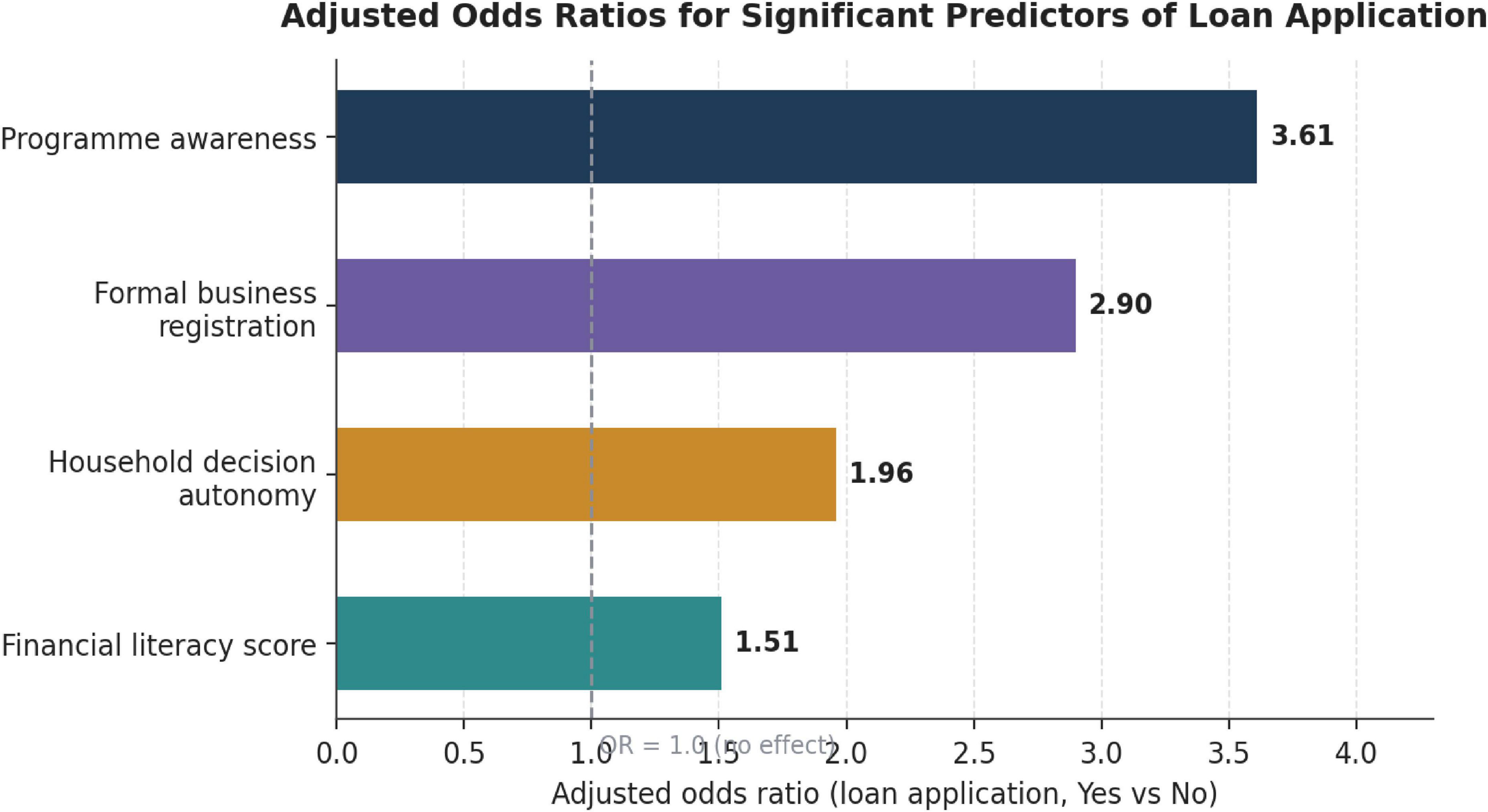
Figure 6. Adjusted odds ratios for significant predictors of loan application. Source: Field survey data, Shikongo (16), derived from the logistic regression model reported in Table 7.
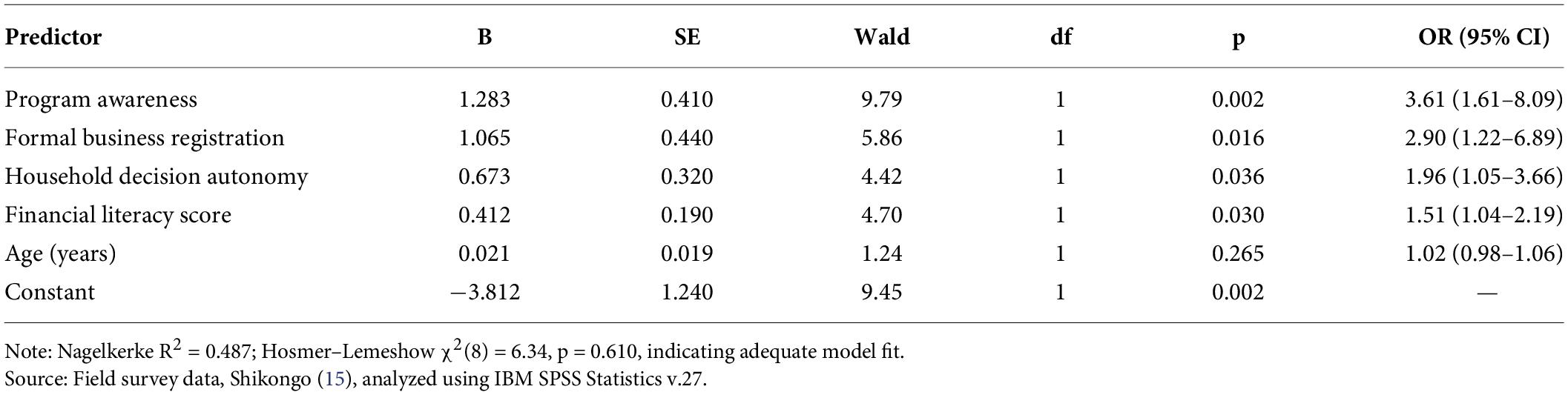
Table 7. Binary logistic regression predicting loan application (yes vs. no).
This is the analytical centerpiece of the quantitative analysis. The Nagelkerke R2 of 0.487 indicates the model explains approximately 49% of the variance in whether a woman applied for a loan, a strong result for a behavioral outcome in social research. The non-significant Hosmer–Lemeshow result (p = 0.610) confirms that the model’s predicted probabilities align well with observed outcomes. Among the predictors, program awareness (OR = 3.61) and formal registration (OR = 2.90) are the most powerful, underscoring that informational exclusion and regulatory prerequisites are the two greatest levers available to policymakers. Household decision autonomy (OR = 1.96) is significant even after controlling for structural factors, confirming that socio-cultural dynamics independently suppress loan-seeking behavior. Age, despite apparent differences in the ANOVA, loses significance once other variables are held constant (p = 0.265), suggesting it operates through those other factors rather than independently.
Figure 7 frames the institutional ambition of the DBN against its current reality. For the overall portfolio, the women-and-youth-share must nearly triple from 11% to 30% in 5 years, while the men’s share must contract from 89% to 70%, signaling that genuine inclusion requires redistributive change, not simply growth. The chart also implicitly surfaces the data-consistency problem the paper flags: the two “women” figures derive from different reporting categories, a methodological tension that is noted in the figure caption rather than obscured.
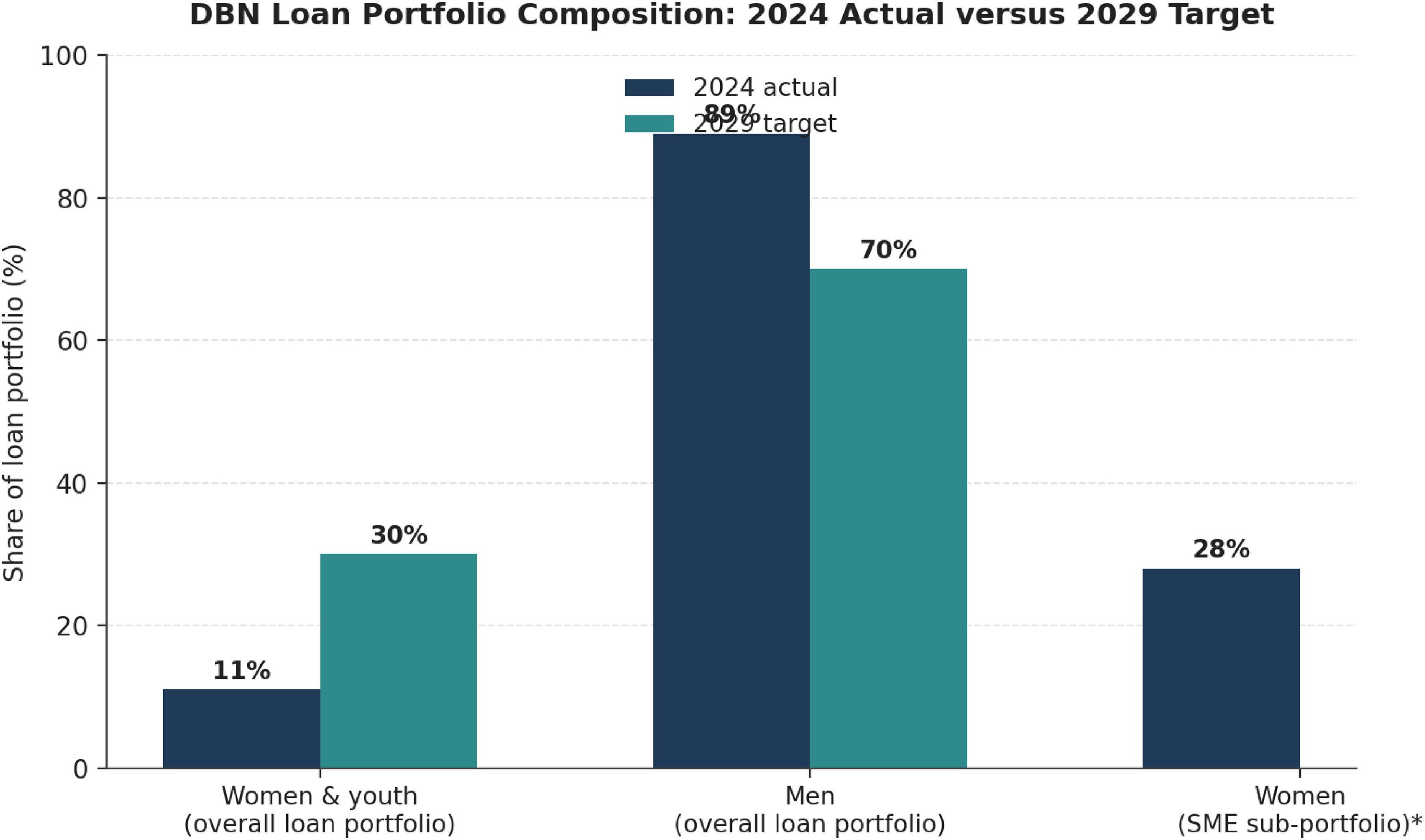
Figure 7. DBN loan portfolio composition: 2024 actual versus 2029 target. * Women’s share of the SME sub-portfolio is drawn from a different reporting category and reference period than the overall portfolio figures; no 2029 target has been published for this sub-portfolio. Source: Development Bank of Namibia (2), SME Portfolio Performance Review.
SWOT analysis of Namibia’s gender-lens development finance landscape
To synthesize the structural, institutional, and socio-cultural findings reported in Sections “Findings” through “Results and discussion” into a form directly usable by policymakers and financial institutions, Table 8 presents a strengths, weaknesses, opportunities, threats (SWOT) analysis of Namibia’s current development finance landscape as it pertains to women entrepreneurs. The analysis draws on the survey and interview evidence presented above, read alongside the national and international literature reviewed in Section “Literature review”.
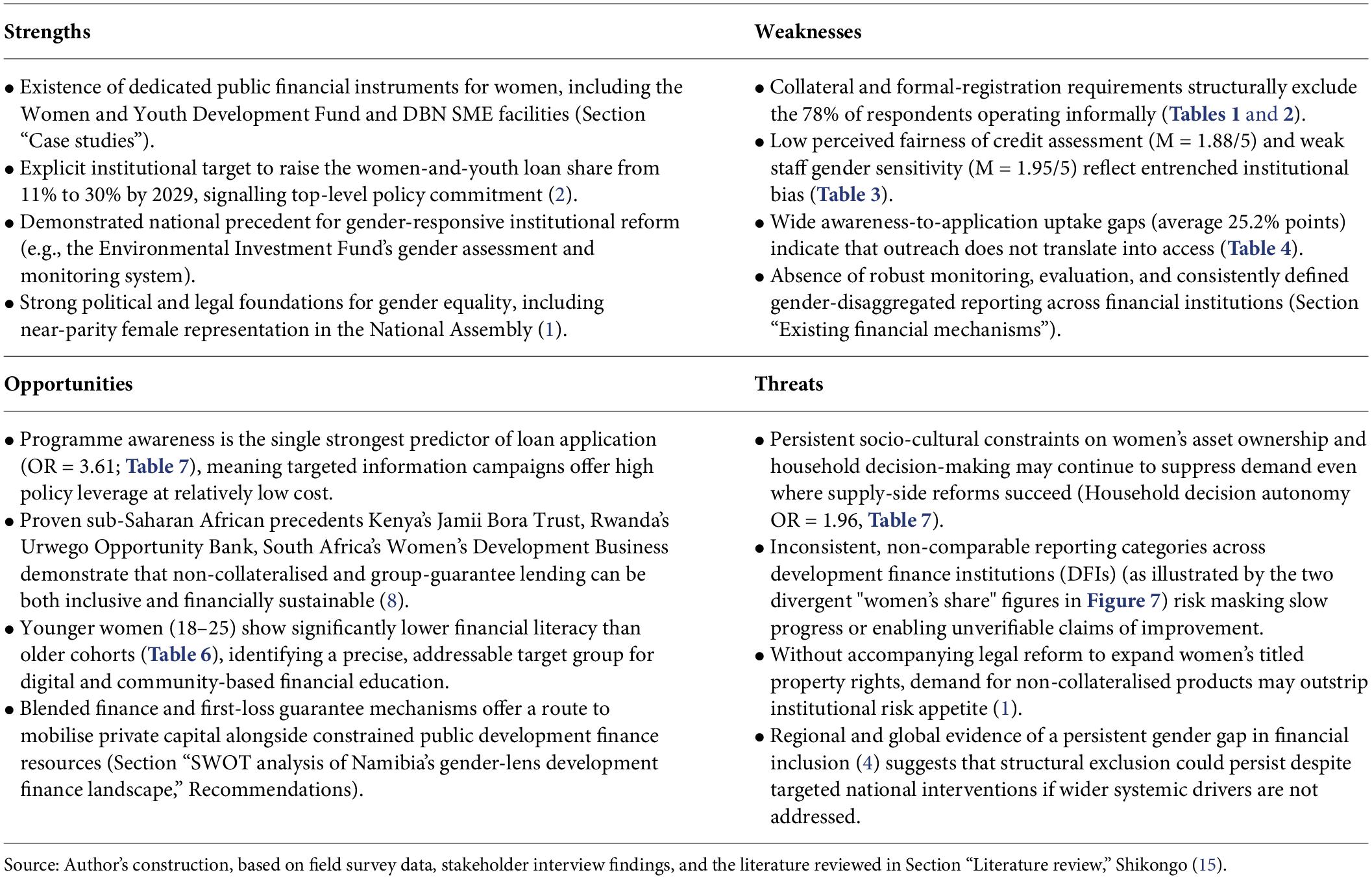
Table 8. Strengths, weaknesses, opportunities, threats (SWOT) analysis of Namibia’s gender-lens development finance landscape.
Read as a whole, the SWOT analysis reinforces the paper’s central argument: Namibia possesses the policy architecture, political will, and regional precedent needed to close the gender financing gap, but current institutional practice, particularly around collateral requirements, credit-assessment fairness, and monitoring, actively undermines that potential. The opportunities identified, especially the outsized effect of program awareness on application behavior, point toward specific, evidence-based interventions rather than general calls for “more inclusion” and are developed further in the recommendations that follow.
Recommendations
To meaningfully improve women’s access to finance in Namibia, a comprehensive gender-responsive strategy operating across institutional, legal, and social dimensions is required. The following recommendations are advanced on the basis of the study’s findings and the broader evidence base in gender and development finance literature (1, 8, 10).
Redesign financial products for women
Financial institutions, public and commercial, should redesign loan products to align with the specific financial circumstances and business models of women entrepreneurs. This includes introducing non-collateralized lending facilities, group guarantee schemes modeled on successful sub-Saharan African precedents, and revenue-based repayment structures that accommodate the irregular income flows characteristic of informal enterprises (8).
Scale financial literacy and business education
Nationwide financial literacy and business education programs should be expanded, with particular emphasis on women in rural and informal sectors and on younger women (18–25), who this study finds to have the lowest financial literacy scores of any age cohort (Table 6). Delivery modalities should be inclusive, community-based, multilingual, and designed to accommodate women’s time constraints arising from caregiving responsibilities (11). Digital financial literacy components should be integrated to prepare women for emerging fintech-enabled financial services.
Embed gender sensitivity in institutional culture
Development finance institutions and commercial banks should introduce systematic gender sensitivity training for credit officers and financial managers to address unconscious bias in loan assessment (10). Gender equity goals should be formalized within institutional policies, operational frameworks, and performance management systems to move beyond rhetorical commitment toward measurable accountability.
Mandate gender-disaggregated data and reporting
Effective monitoring and evaluation frameworks must be established, requiring all financial institutions receiving public funding or regulatory authorisation to collect, analyse, and publish gender-disaggregated data on loan applications, approvals, disbursements, and repayment performance, using consistently defined reporting categories that permit valid year-on-year and cross-institution comparison (2). Annual public reports would enable independent scrutiny of progress toward gender equity targets.
Leverage blended finance mechanisms
Public-private partnership frameworks should promote blended finance instruments to mitigate perceived investment risk in women-led businesses. Mechanisms such as first-loss guarantees, concessional capital tranches, and results-based financing incentives can catalyse private capital participation in gender-lens investment, extending the reach of limited public development finance resources (8).
Reform legal and policy frameworks
Comprehensive legal and policy reforms are essential to remove discriminatory provisions embedded in property, inheritance, and commercial legislation that constrain women’s asset ownership and legal standing (1). Strengthening women’s rights to titled property would directly expand the asset base available as collateral and enhance women’s economic agency across all dimensions of entrepreneurship.
Conclusion
This study, drawing on primary data from the Khomas Region and corroborated by national secondary data, demonstrates that the current development finance architecture despite genuine institutional intent remains insufficiently responsive to the structural, institutional, and socio-cultural realities that define women entrepreneurs’ engagement with financial systems. Broader national generalization of these findings requires multi-regional primary research encompassing Namibia’s diverse geographic and socio-economic contexts.
A shift toward a comprehensive gender-lens financing framework rooted in structural reform, institutional accountability, evidence-based product design, and cultural change is essential for transforming Namibia’s entrepreneurial landscape and achieving long-term development goals. The path to gender-equitable finance requires sustained political will, cross-sector collaboration among government, financial institutions, civil society, and development partners, and a fundamental reimagining of financial systems so that they recognize, respond to, and reward women’s entrepreneurial contributions as central to Namibia’s development trajectory. The evidence examined in this study underscores that the cost of inaction in forgone economic growth, sustained inequality, and unrealized human potential far exceeds the investment required to build genuinely inclusive financial systems.
Author contributions
H.T.S. is the sole author of this work and is responsible for the conceptualisation, methodology, data collection, formal analysis, writing of the original draft, and review and editing of the manuscript. The author has read and agreed to be accountable for the content of this work.
Funding
This research did not receive any specific grant from funding agencies in the public, commercial, or not-for-profit sectors. Data collection costs were met by the author.
Acknowledgments
The author gratefully acknowledges the women entrepreneurs of the Khomas Region and the stakeholders from government agencies, development finance institutions, and civil society organizations who generously gave their time to participate in this study.
Conflict of interest
The author declares that the research was conducted in the absence of any commercial or financial relationships that could be construed as a potential conflict of interest.
References
1. United Nations Development Programme.Namibia Human Development Report 2023: Gender and Economic Transformation. United Nations Development Programme (2023).
2. Development Bank of Namibia.SME Portfolio Performance Review. Development Bank of Namibia (2024).
3. Mukong A, Shiwayu N, Kaulihowa T. A decomposition of the gender gap in financial inclusion: evidence from Namibia. Afr J Bus Econ Res. (2020) 15(4):149–69. doi: 10.31920/1750-4562/2020/v15n4a7
4. World Bank.The Global Findex Database 2021: Financial Inclusion, Digital Payments, and Resilience in the Age of COVID-19. World Bank (2022). doi: 10.1596/978-1-4648-1897-4
7. African Development Bank Group.Affirmative Finance Action for Women in Africa (AFAWA). African Development Bank Group (2024).
8. International Finance Corporation.Moving Toward Gender Balance in Private Equity and Venture Capital. International Finance Corporation (2021).
10. Morgan Stanley Institute for Sustainable Investing.Gender-Lens Investing: Moving Beyond Diversity. Morgan Stanley Institute for Sustainable Investing (2020).
11. Ministry of Gender Equality, Poverty Eradication and Social Welfare.National Gender Policy Report 2023. Ministry of Gender Equality, Poverty Eradication and Social Welfare (2023).
12. Organisation for Economic Co-operation and Development.The Missing Entrepreneurs 2021: Policies for Inclusive Entrepreneurship and Self-Employment. OECD Publishing (2021). doi: 10.1787/71b7a9bb-en
13. Creswell JW, Plano Clark VL. Designing and Conducting Mixed Methods Research. 3rd ed. SAGE Publications (2018).
15. Braun V, Clarke V. Using thematic analysis in psychology. Qual Res Psychol. (2006) 3(2):77–101. doi: 10.1191/1478088706qp063oa
16. Shikongo HT. Primary Survey and Interview Data: Women Entrepreneurs and Development Finance Stakeholders. Namibia: Khomas Region. Unpublished raw data (2026).
© The Author(s). 2026 Open Access This article is distributed under the terms of the Creative Commons Attribution 4.0 International License (https://creativecommons.org/licenses/by/4.0/), which permits unrestricted use, distribution, and reproduction in any medium, provided you give appropriate credit to the original author(s) and the source, provide a link to the Creative Commons license, and indicate if changes were made.