Introduction
Despite significant progress on diagnostics as well as treatments, cancer is still a major cause of death globally. Chemotherapy usually has low specificity for tumors; it’s quickly metabolized by kidneys, leading to high toxicity rates, as well as multiresistant populations developing over time, which makes treatment unsuccessful. The complexity of the tumor microenvironment (TME), characterized by acidic pH, high levels of glutathione, hypoxia, altered enzyme expression, and oxidative stress, also limits the efficacy of conventional treatments. The problems are leading to advances in nanomedicines that target tumors more precisely without affecting other organs as much (1–5).
Nanocarriers that are stimuli sensitive are among the best ideas for targeted cancer treatment, as discussed in Table 1. In contrast with traditional nanomaterials “smart” devices are not subject to systemic transport; they only respond when stimulated by an internal (endogenous) and/or external trigger. This level of precision increases absorption rates; it also facilitates better penetration through tissues while minimizing side effects at a cellular level substantially. Also, multi-functional nanoparticles that can simultaneously deliver anticancer drugs as well as genetic material (nucleotides), proteins, etc. (6–10).
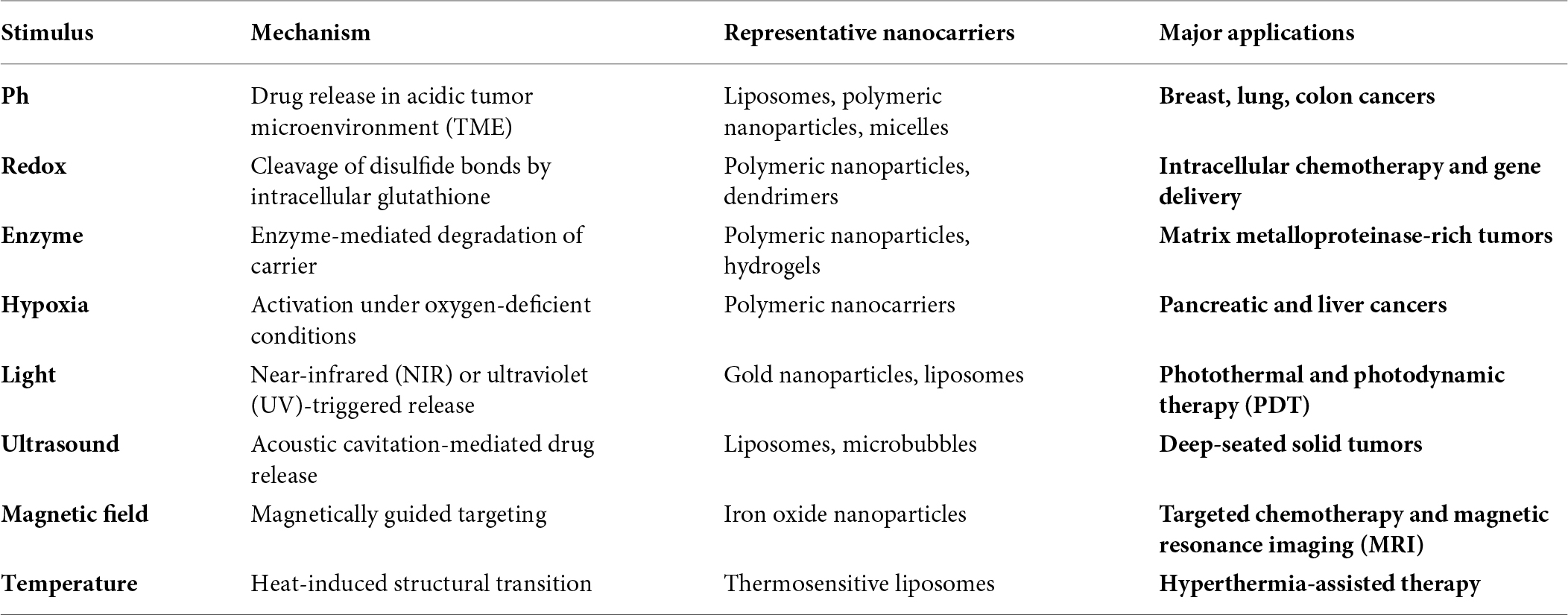
Table 1. Types of stimuli-responsive nanocarriers used in precision cancer therapy.
Stimuli-responsive nanocarriers in precision cancer therapy
Nanocapsules are stimuli-sensitive and can be programmed to release drugs only where needed (tumor). As opposed to passively transported nanoparticles they are “active” and can be stabilized through blood flow while undergoing biochemical modifications that lead towards targeted delivery of medications towards tumors via a stimulus-induced mechanism, as shown in Figure 1. Spatial as well as time-based management enhances treatment effectiveness, reduces side effects of drugs at a broader range. Targeting ligand incorporation as well as tracer molecules along with several drugs is also beneficial for this purpose. The recent progress made by materials science, particularly nanotechnology, is leading towards the creation of multi-functional nanoparticles that can cross cell membranes, which is a problem for cancer cells (solid) (11–15).
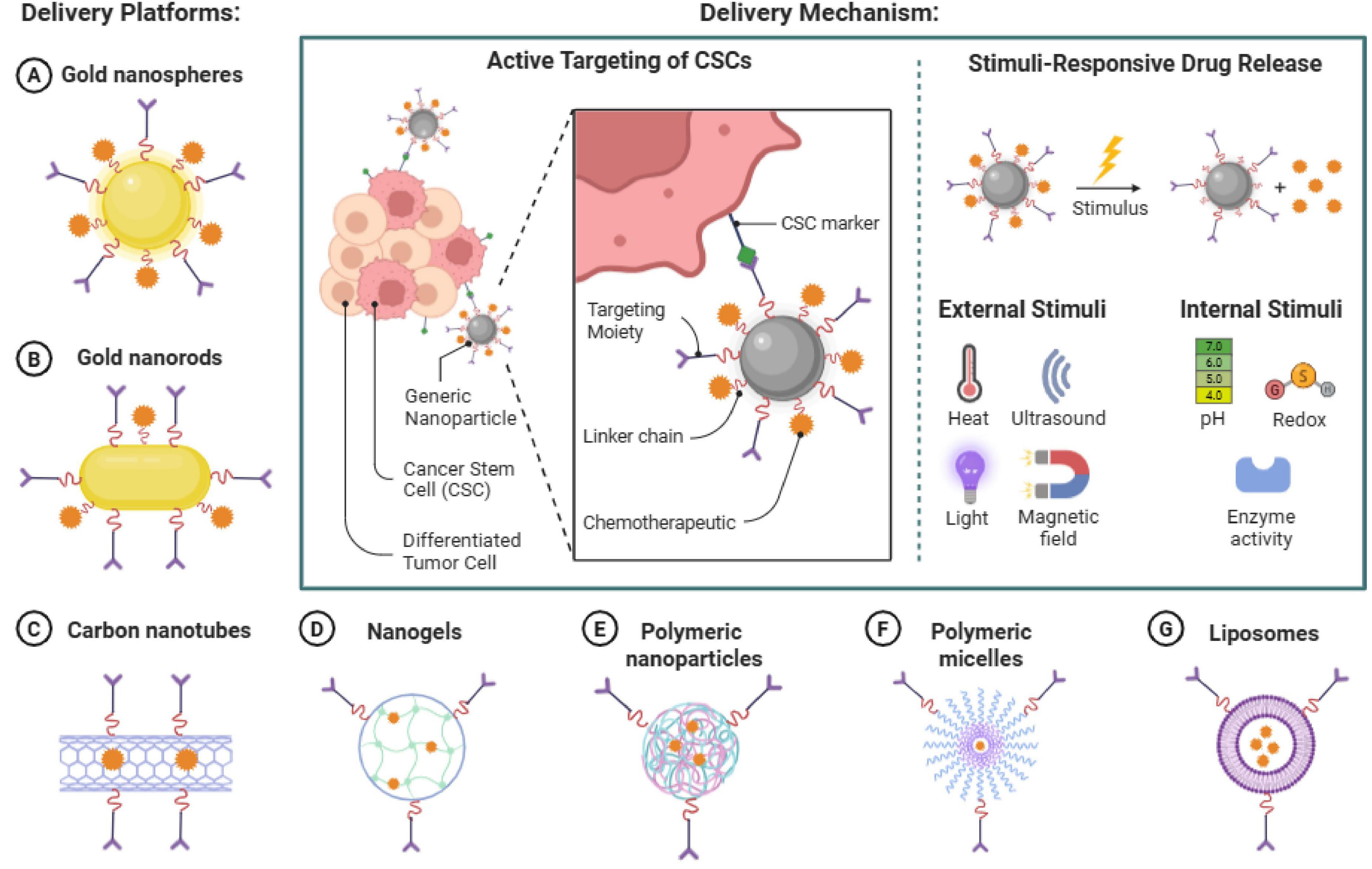
Figure 1. Schematic representation of targeted and stimuli-responsive nanocarriers. Design principles of stimuli-responsive nanocarriers for cancer stem cell-targeted drug delivery. Nanocarriers decorated with cancer stem cell (CSC)-specific targeting moieties selectively accumulate within the TME and release therapeutic payloads in response to endogenous (pH, redox, and enzymatic activity) or exogenous (heat, ultrasound, light, and magnetic field) stimuli, improving therapeutic precision and reducing systemic toxicity.
Endogenous stimuli-responsive nanocarriers
The environment around a tumor is really different from healthy tissues in many ways—it’s more acidic, has more oxidative stress, and has different levels of enzymes and glutathione, a powerful antioxidant. Also, the amount of oxygen available is often lower. All these differences can be used as signals to trigger the release of drugs in a targeted way, which is a promising approach for cancer treatment.
Among endogenous stimuli, pH-responsive nanocarriers are the most extensively investigated. The extracellular pH of solid tumors (approximately 6.5–6.8) and intracellular lysosomal pH (4.5–5.5) are considerably lower than physiological pH (7.4). Nanocarriers fabricated using acid-labile polymers, hydrazone bonds, or pH-sensitive lipids exploit these differences to achieve site-specific drug release.
Liposomes, polymeric micelles, mesoporous silica nanoparticles, and polymeric nanoparticles as shown in Figure 2 have demonstrated enhanced accumulation and intracellular release of chemotherapeutic agents such as doxorubicin, paclitaxel, and cisplatin under acidic conditions, thereby improving antitumor efficacy while reducing systemic exposure (16–18).
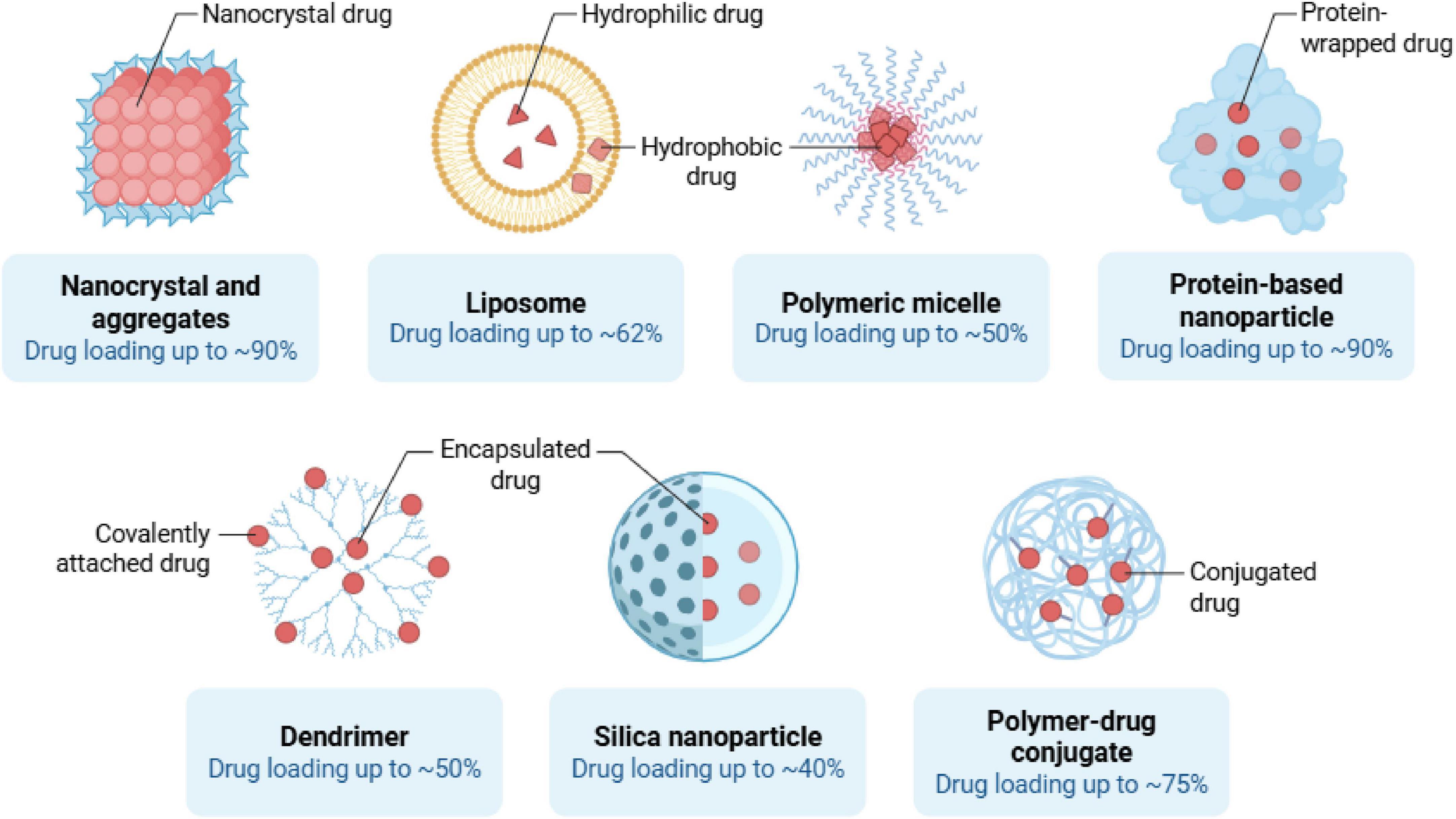
Figure 2. Schematic illustration of representative nanoscale drug delivery platforms for small-molecule therapeutics. Representative nanoscale drug delivery platforms for small-molecule therapeutics, including nanocrystals, liposomes, polymeric micelles, protein-based nanoparticles, dendrimers, silica nanoparticles, and polymer–drug conjugates. These carriers can be engineered for targeted and stimuli-responsive drug release triggered by pH, redox, enzymes, reactive oxygen species (ROS), hypoxia, light, heat, ultrasound, or magnetic fields to enhance therapeutic efficacy and minimize systemic toxicity.
One key approach is to use special tiny carriers called nanocarriers that can respond to changes in their surroundings, like the high levels of a molecule called glutathione found in cancer cells. These nanocarriers are designed with special links that keep them stable while they’re moving through the bloodstream, but when they get inside a cancer cell, these links break apart quickly, releasing the medicine or genetic material they’re carrying. This method has shown a lot of potential for treating cancer from inside the cells, silencing faulty genes, and delivering new therapies based on a powerful tool called clustered regularly interspaced short palindromic repeats (CRISPR). By targeting cancer cells in this way, these nanocarriers can help get treatments exactly where they’re needed, which could lead to more effective and targeted cancer therapies.
Another promising platform is enzyme-responsive nanoparticles. Tumors overexpress matrix metalloproteinases, hyaluronidase, cathepsins, phospholipases, and other proteolytic enzymes that selectively degrade enzyme-sensitive polymers and thereby allow localized drug release. These systems allow for better penetration into tumor tissues and reduce premature drug leakage.
Similarly, hypoxia-sensitive nanocarriers take advantage of the low oxygen levels in fast-growing tumors. The bioreducible polymers comprising nitroimidazole, azobenzene, or quinone derivatives are converted to a different structure in the hypoxic condition, leading to the controlled release of the anticancer agents. In pancreatic, liver, and breast cancers, where severe hypoxia has contributed to therapeutic resistance, these systems have shown promising results.
Exogenous stimuli-responsive nanocarriers
Clinicians can use external physical stimuli to exert more control over when and where drugs are released, thereby improving the precision of treatment (19, 20).
Among these approaches, light-responsive nanocarriers have received great attention. Gold nanoparticles, graphene oxide, and photosensitive liposomes absorb near-infrared (NIR) light and convert the optical energy into localized heat or reactive oxygen species. This mechanism allows for photothermal therapy (PTT), photodynamic therapy (PDT), and co-chemotherapy, which together produce synergistic anticancer effects and decrease the damage to adjacent healthy tissues (21).
Magnetic-responsive nanocarriers contain superparamagnetic iron oxide nanoparticles, which can be directed to the tumor sites by external magnetic fields. Besides improving the localization of drugs, these nanoparticles can also be used as contrast agents for magnetic resonance imaging (MRI) and can enable magnetic hyperthermia, where localized heating triggers apoptosis of malignant cells. Combination approaches of magnetic hyperthermia with chemotherapy have demonstrated enhanced therapeutic effects in preclinical models.
Another promising approach for deep-seated tumors is ultrasound-responsive systems. Ultrasound waves cause acoustic cavitation, which increases vascular permeability and breaks down the structures of nanoparticles, leading to local drug release. Ultrasound can penetrate deeper into tissue than optical techniques and can be combined with microbubbles or liposomes to enhance drug internalization in cells (22).
Similarly, thermosensitive nanocarriers release their therapeutic payload at a mild hyperthermia (around 40–42°C). Localized heating methods coupled with thermosensitive liposomes formulated from phospholipids with defined phase-transition temperatures have been shown to enhance tumor-specific drug delivery. This strategy shows a promising clinical potential to improve the therapeutic efficacy of traditional chemotherapy. Collectively, these externally triggered systems, as discussed in Table 2, provide clinicians with precise spatiotemporal control over therapeutic delivery, making them particularly attractive for personalized cancer treatment and image-guided interventions.
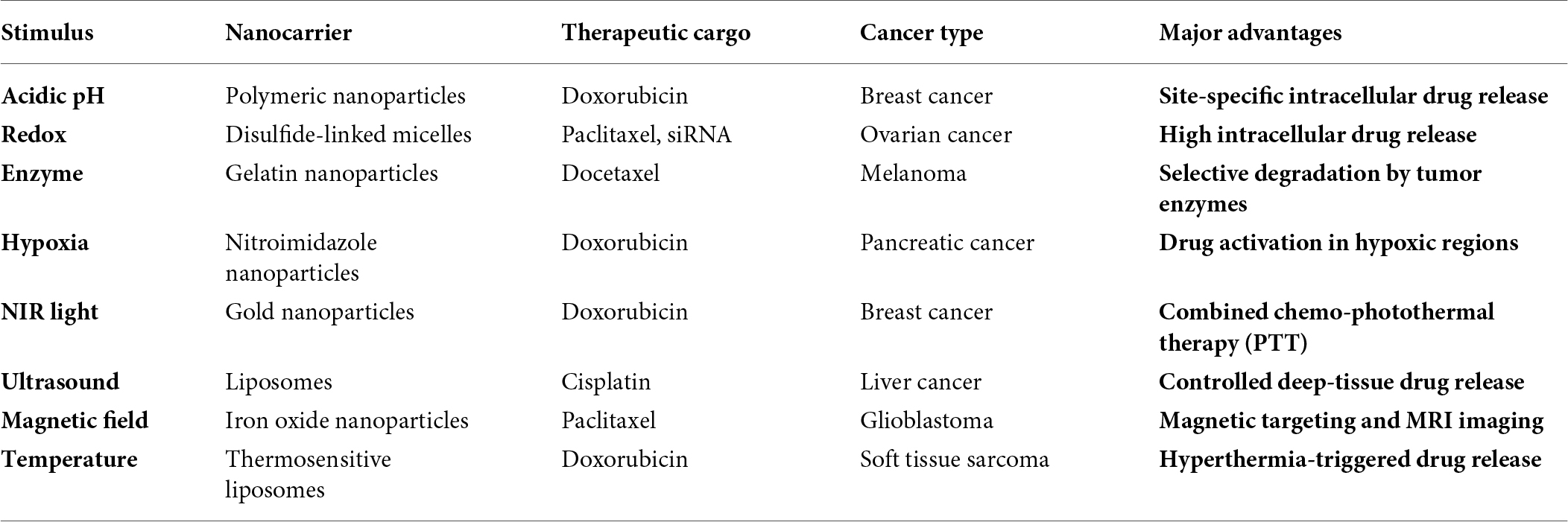
Table 2. Representative stimuli-responsive nanocarriers for precision cancer therapy.
Clinical translation and current challenges
Stimuli-responsive nanocarriers have shown great therapeutic efficacy in preclinical studies, but their successful translation to the clinic is limited. Although many nanoparticle-based formulations, such as liposomal doxorubicin, albumin-bound paclitaxel, and lipid nanoparticle platforms, have been approved for clinical use, only a few advanced stimuli-responsive systems have progressed beyond early-phase clinical trials. This translational gap is mainly due to the complexity of the nanoparticle design, reproducibility of their manufacturing, regulatory requirements, and interpatient variability in nanoparticle biodistribution (23, 24).
The heterogeneity of the TME is one of the major biological challenges. Factors such as vascular density, stromal composition, immune-cell infiltration, and variability in pH, enzyme expression, and hypoxia vary greatly between patients and even within different regions of the same tumor. Therefore, the responsiveness of smart nanocarriers is not always predictable, leading to inconsistent therapeutic performance. In addition, the enhanced permeability and retention (EPR) effect, which is well documented in experimental animal models, is much more heterogeneous in human tumors and thus restricts passive nanoparticle accumulation (25, 26).
Another big problem is producing it and producing more of it. Multifunctional nanocarriers usually involve multiple synthetic steps using polymers, targeting ligands, imaging agents, and responsive linkers. However, producing such systems at a large scale poses some technical challenges, especially concerning particle size, surface charge, drug loading efficiency, stability, and batch-to-batch reproducibility. Production is further complicated and made more expensive by adherence to Good Manufacturing Practice (GMP) and Chemistry, Manufacturing and Controls (CMC) guidelines.
Long-term safety is also an important consideration. Although many biodegradable polymers exhibit excellent biocompatibility, the long-term persistence of inorganic nanoparticles, unexpected immune reactions, complement activation, and the off-target accumulation in organs such as the liver and spleen need to be carefully investigated. Therefore, extensive pharmacokinetic, biodistribution, immunogenicity, and toxicity studies are required to gain regulatory approval.
However, the advances in artificial intelligence (AI)-assisted nanoparticle design, biomimetic cell membrane-coated nanoparticles, personalized nanomedicine, and microfluidic manufacturing technologies are expected to accelerate the clinical translation despite these limitations. Simplification of the nanoparticle architecture without compromising therapeutic performance could improve reproducibility, reduce manufacturing costs, and facilitate regulatory approval (27).
Conclusion and future perspectives
The development of stimuli-responsive nanocarriers as a new generation of intelligent drug delivery systems can overcome many of the limitations associated with conventional chemotherapy. These nanocarriers enable controlled and site-specific drug release using endogenous stimuli such as acidic pH, redox gradients, enzymes, and hypoxia in conjunction with externally applied triggers such as light, ultrasound, magnetic fields, and temperature. Such programmed delivery can greatly improve therapeutic efficacy and decrease systemic toxicity, thus helping the goals of precision oncology (28–31). The recent progress in the combination of chemotherapy, immunotherapy, gene therapy, and diagnostic imaging into multifunctional nanoplatforms further exemplifies the transformative potential of smart nanomedicine.
However, many challenges remain to be solved for wider clinical use. Major barriers in tumor heterogeneity, variability in EPR effect, manufacturing scalability, regulatory approval pathways, quality control, and long-term biosafety still need to be addressed before commercialization.
The solution to these problems will require the close cooperation of pharmaceutical scientists, materials engineers, oncologists, clinicians, and regulatory agencies to define standardized methods for characterization and clinically relevant evaluation models.
Future studies should focus on the development of simplified but multifunctional nanocarriers with increased targeting accuracy, scalable manufacturing processes, and improved clinical reproducibility. Integration of artificial intelligence for nanoparticle optimization, machine learning-assisted patient stratification, CRISPR/Cas-based gene editing, mRNA therapeutics, biomimetic nanoparticles, and real-time theranostic monitoring are anticipated to define the next generation of precision cancer therapeutics. These advances could transform the management of cancer, opening the door to personalized, safer and more effective treatment strategies that are tailored to the molecular characteristics of individual tumors.
Abbreviations
AI; artificial intelligence
CMC: chemistry, manufacturing and controls
CRISPR: clustered regularly interspaced short palindromic repeats
CSC: cancer stem cell
EPR: enhanced permeability and retention
GMP: good manufacturing practice
HIF: hypoxia-inducible factor
MRI: magnetic resonance imaging
mRNA: messenger ribonucleic acid
NIR: near-infrared
PDT: photodynamic therapy
PTT: photothermal therapy
ROS: reactive oxygen species
siRNA: small interfering ribonucleic acid
TME: tumor microenvironment
UV: Ultraviolet
Funding
The authors declare that financial support was not received for this work and/or its publication.
Clinical trial
Not applicable.
Acknowledgments
We thank the management of Bethlahem College of Pharmaceutical Sciences, Karpagam Academy of Higher Education, and JSS College of Pharmacy, Ooty. Figures were created with BioRender.com. Mendeley Reference Manager assisted in citation management. The authors used OpenAI ChatGPT (Go version) solely for language refinement, grammar correction, and structural editing. No AI tool was used for scientific interpretation, data generation, or reference creation.
Conflict of interest
The authors declare that the research was conducted in the absence of any commercial or financial relationships that could be construed as a potential conflict of interest.
References
1. Quail DF, Joyce JA. Microenvironmental regulation of tumor progression and metastasis. Nat Med. (2013) 19:1423–37. doi: 10.1038/nm.3394
2. Ma T, Zhang P, Hou Y, Ning H, Wang Z, Huang J , et al. Smart” nanoprobes for visualization of tumor microenvironments. Adv Healthc Mater. (2018) 7:e1800391. doi: 10.1002/adhm.201800391
3. Anderson NM, Simon MC. The tumor microenvironment. Curr Biol. (2020) 30:R921–5. doi: 10.1016/j.cub.2020.06.081
4. de Visser KE, Joyce JA. The evolving tumor microenvironment: from cancer initiation to metastatic outgrowth. Cancer Cell. (2023) 41:374–403. doi: 10.1016/j.ccell.2023.02.016
5. Yin L, Zhou S, Zhang H, Yao C, Al-Qadhi ZTA, Shang Y , et al. Reprogramming the tumor microenvironment: synergistic mechanisms of antibody-drug conjugates and immune checkpoint inhibitors. Antib Ther. (2025) 8:262–74. doi: 10.1093/abt/tbaf017
6. Pradhan R, Dey A, Taliyan R, Puri A, Kharavtekar S, Dubey SK. Recent advances in targeted nanocarriers for the management of triple negative breast cancer. Pharmaceutics. (2023) 15:246. doi: 10.3390/pharmaceutics15010246
7. Li J, Ke W, Wang L, Huang M, Yin W, Zhang P , et al. Self-sufficing H2O2-responsive nanocarriers through tumor-specific H2O2 production for synergistic oxidation-chemotherapy. J Control Release. (2016) 225:64–74. doi: 10.1016/j.jconrel.2016.01.029
8. Zhang H, Li Q, Liu R, Zhang X, Li Z, Luan Y. A versatile prodrug strategy to in situ encapsulate drugs in MOF nanocarriers: a case of cytarabine-IR820 prodrug encapsulated ZIF-8 toward chemo-photothermal therapy. Adv Funct Mater. (2018) 28(35):1802830. doi: 10.1002/adfm.201802830
9. Danhier F, Feron O, Préat V. To exploit the tumor microenvironment: passive and active tumor targeting of nanocarriers for anti-cancer drug delivery. J Control Release. (2010) 148:135–46. doi: 10.1016/j.jconrel.2010.08.027
10. Neu M, Germershaus O, Mao S, Voigt KH, Behe M, Kissel T. Crosslinked nanocarriers based upon poly(ethylene imine) for systemic plasmid delivery: in vitro characterization and in vivo studies in mice. J Control Release. (2007) 118:370–80. doi: 10.1016/j.jconrel.2007.01.007
11. Kim D, Lee ES, Park K, Kwon IC, Bae YH. Doxorubicin loaded pH-sensitive micelle: antitumoral efficacy against ovarian A2780/DOXR tumor. Pharm Res. (2008) 25:2074–82. doi: 10.1007/s11095-008-9603-6
12. Gaddimath S, Payamalle S, Channabasavana Hundi Puttaningaiah KP, Hur J. Recent advances in pH and redox responsive polymer nanocomposites for cancer therapy. J Compos Sci. (2024) 8(1):28. doi: 10.3390/jcs8010028
13. Donoso MD, Haskell RJ, Schartman RR. Surfactant choice and the physical stability of nanosuspensions as a function of pH. Int J Pharm. (2012) 439:1–7. doi: 10.1016/j.ijpharm.2012.09.012
14. Kim JH, Li Y, Kim MS, Kang SW, Jeong JH, Lee DS. Synthesis and evaluation of biotin-conjugated pH-responsive polymeric micelles as drug carriers. Int J Pharm. (2012) 427:435–42. doi: 10.1016/j.ijpharm.2012.01.034
15. Hua D, Liu Z, Wang F, Gao B, Chen F, Zhang Q , et al. pH responsive polyurethane (core) and cellulose acetate phthalate (shell) electrospun fibers for intravaginal drug delivery. Carbohydr Polym. (2016) 151:1240–4. doi: 10.1016/j.carbpol.2016.06.066
16. Parveen S, Sahoo SK. Polymeric nanoparticles for cancer therapy. J Drug Target. (2008) 16:108–23. doi: 10.1080/10611860701794353
17. Yoo HS, Park TG. Folate receptor targeted biodegradable polymeric doxorubicin micelles. J Control Release. (2004) 96:273–83. doi: 10.1016/j.jconrel.2004.02.003
18. Karlsson J, Vaughan HJ, Green JJ. Biodegradable polymeric nanoparticles for therapeutic cancer treatments. Annu Rev Chem Biomol Eng. (2018) 9:105–27. doi: 10.1146/annurev-chembioeng-060817-084055
19. Vito A, El-Sayes N, Mossman K. Hypoxia-driven immune escape in the tumor microenvironment. Cells. (2020) 9:992. doi: 10.3390/cells9040992
20. Liu L, Yu J, Liu Y, Xie L, Hu F, Liu H. Hypoxia-driven angiogenesis and metabolic reprogramming in vascular tumors. Front Cell Dev Biol. (2025) 13:1572909. doi: 10.3389/fcell.2025.1572909
21. Wang C, Niu M, Wang W, Su L, Feng H, Lin H , et al. In situ activatable ratiometric NIR-II fluorescence nanoprobe for quantitative detection of H2S in colon cancer. Anal Chem. (2021) 93:9356–63. doi: 10.1021/acs.analchem.1c00427
22. Dartora VFC, Passos JS, Costa-Lotufo LV, Lopes LB, Panitch A. Thermosensitive polymeric nanoparticles for drug co-encapsulation and breast cancer treatment. Pharmaceutics. (2024) 16:231. doi: 10.3390/pharmaceutics16020231
23. Jiang Q, Braun DA, Clauser KR, Ramesh V, Shirole NH, Duke-Cohan JE , et al. HIF regulates multiple translated endogenous retroviruses: Implications for cancer immunotherapy. Cell. (2025) 188:1807–27.e34. doi: 10.1016/j.cell.2025.01.046
24. Snyder B, Bailey RM. Toward a translational gene therapy for mucolipidosis IV. Mol Ther Methods Clin Dev. (2024) 32:101345. doi: 10.1016/j.omtm.2024.101345
25. Nichols JW, Bae YHEPR. Evidence and fallacy. J Control Release. (2014) 190:451–64. doi: 10.1016/j.jconrel.2014.03.057
26. Kang H, Rho S, Stiles WR, Hu S, Baek Y, Hwang DW , et al. Size-dependent EPR effect of polymeric nanoparticles on tumor targeting. Adv Healthc Mater. (2020) 9:e1901223. doi: 10.1002/adhm.201901223
27. Liu Q, Huang C, Zhan G, Guan Y, Li S. The need for expansion of global collaborations on AI in oncology. Lancet. (2025) 405:1339. doi: 10.1016/S0140-6736(25)00634-8
28. Liu X, Jiang J, Liao YP, Tang I, Zheng E, Qiu W , et al. Combination chemo-immunotherapy for pancreatic cancer using the immunogenic effects of an irinotecan silicasome nanocarrier plus anti-PD-1. Adv Sci (Weinh). (2021) 8:2002147. doi: 10.1002/advs.202002147
29. Cavallaro PA, De Santo M, Belsito EL, Longobucco C, Curcio M, Morelli C , et al. Peptides targeting HER2-positive breast cancer cells and applications in tumor imaging and delivery of chemotherapeutics. Nanomaterials (Basel). (2023) 13:2476. doi: 10.3390/nano13172476
30. Zhang Y, Tang X, Wang Z, Wang L, Chen Z, Qian JY , et al. The chemokine CCL17 is a novel therapeutic target for cardiovascular aging. Signal Transduct Target Ther. (2023) 8:157. doi: 10.1038/s41392-023-01363-1
31. Liu S, Li J, Gu L, Wu K, Xing H. Nanoparticles for chemoimmunotherapy against triple-negative breast cancer. Int J Nanomedicine. (2022) 17:5209–27. doi: 10.2147/IJN.S388075
© The Author(s). 2026 Open Access This article is distributed under the terms of the Creative Commons Attribution 4.0 International License (https://creativecommons.org/licenses/by/4.0/), which permits unrestricted use, distribution, and reproduction in any medium, provided you give appropriate credit to the original author(s) and the source, provide a link to the Creative Commons license, and indicate if changes were made.