Introduction
The history of travel and tourism can be traced back to ancient times when people used to travel for various reasons such as territorial expansion, trade, and religious purposes. However, the concept of modern tourism began in the 17th century, when people traveled for reasons such as leisure, education, business, and adventure. In recent times, the traditional prospect of viewing tourist destinations and spots via images, videos, and other formats has been replaced by the concept of Virtual Reality (VR), which has brought different experiences in the field of travel and tourism (1, 2). VR has the capability to change travel and tourism by providing new ways like experiencing, exploring, and knowing about destinations and their culture, traditions, and activities for different places (3). Travelers can experience the virtual tour before booking their tickets. This allows the travelers to give more information and realistic expectations for their tour. While considering a lot of factors like expensive, cost-effective, and other factors, it’s an accomplished fact that people will seek new solutions for the same.
VR provides numerous opportunities in the field of travel and tourism, from new experiences to unforgettable moments, which cannot be said just in words.
Aim and objectives
The important benefits of the proposed technology in the emerging world are explained below.
a) Immersive experience: VR technology can provide an interactive experience that is similar to a realistic experience. The realism and interactions in VR provide the user with the key factor of immersiveness (4, 5).
b) Time- and cost-effective measures: By using VR technology, users can even manage their busy schedules to experience the real world. VR can save substantial travel expenses, which creates an eco-friendly way (6, 7).
c) Educational training: The concept of VR could bring about new educational opportunities among educators and trainers to train students regarding a historical place and its long-term experiences (8).
d) New marketing strategies: The promotion of a tourist destination can be made interactive and more realistic with the introduction of VR technology so that new users or people who visit different places will be increased from user stories (9, 10).
e) Sustainable tourism development: VR can contribute significantly to sustainable tourism by reducing the environmental impact caused by mass travel. Virtual visits can help preserve fragile ecosystems and heritage sites by minimizing physical footfall, thus supporting conservation efforts while still allowing people to explore and appreciate these locations (11, 12).
f) Improved accessibility: The users who had once experienced the tourist destination in virtual mode have a greater tendency to visit the same spot in a more engaged and energetic way, according to some of the reports and surveys that were conducted (13).
As the title conveys, the future of travel and tourism underlies in shaping the privilege of promoting and finding new ways to create opportunities for financially constrained people to explore and experience tourist destinations in a more economical way.
Methodology
The methodology for the solution is a theoretical way of making known the proceeding steps into action. The methodology of our proposed project can be well understood by the following workflow graph illustrated in Figure 1.
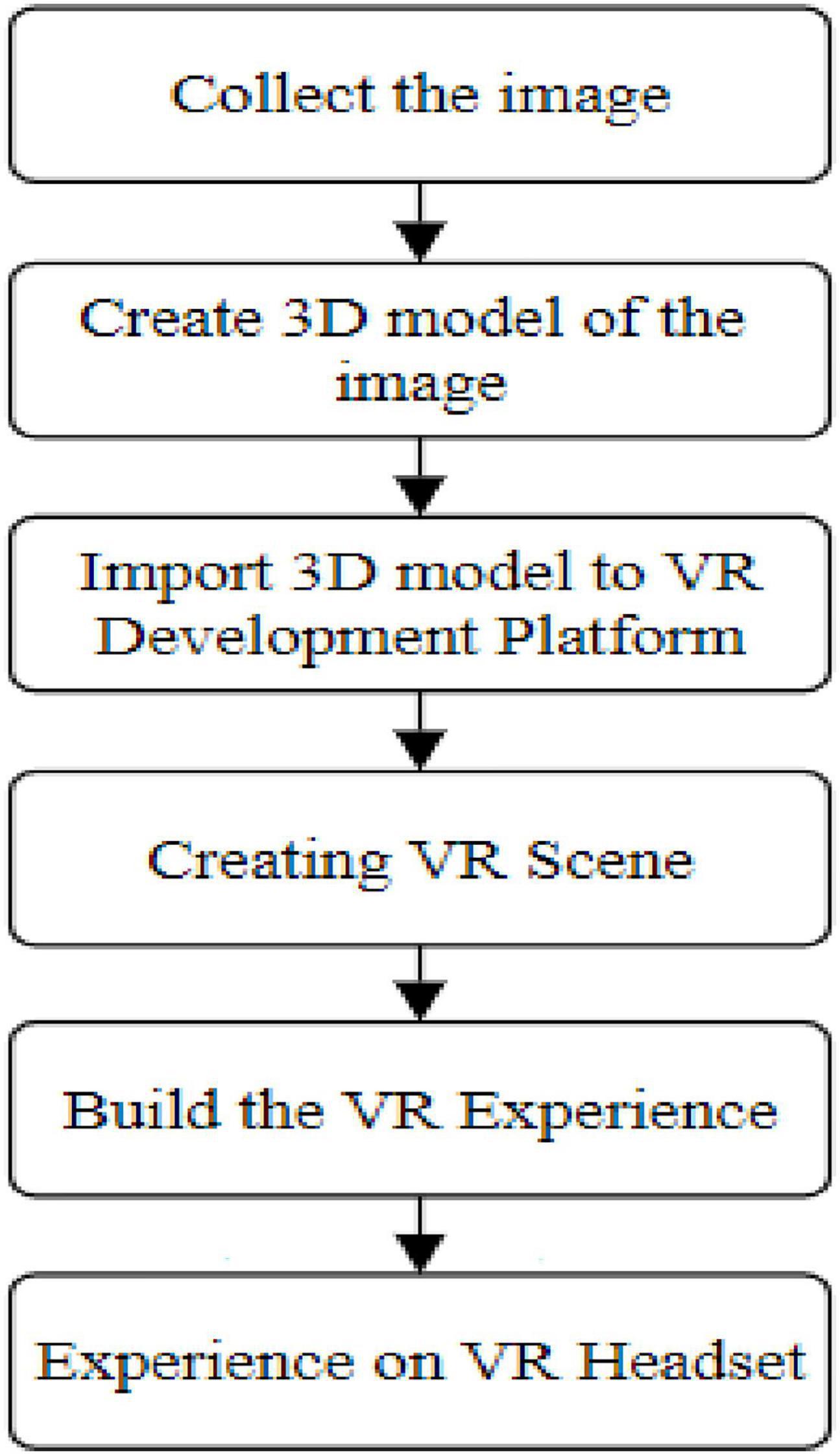
Figure 1. The methodology for the workflow.
Collect the image
The initial stage that is to be carried out is the collection of images on public platforms. Public images can be taken from various platforms, including social media, travel websites, and government archives. The essential thing that is to be noted is whether the selected images are relevant to the tourist destination or not; also, make sure that the image is of good quality. In the case of choosing a historical site, images of the site’s architecture and historical events can be included to get a better experience.
Once the collection of images is done from various sources, the next step is to curate the images. This is the process of sorting images into meaningful categories to give a better narrative experience. This process provides the underlying step for presenting an informative story to the users, who are the beneficiaries of the implementations. To improve the consistency and clarity of visuals, basic image enhancement techniques such as contrast correction, cropping, or noise reduction can be applied using tools like GNU image manipulation program (GIMP) or Adobe Photoshop Express. These enhancements help in achieving more accurate 3D outputs during modeling. Moreover, if multiple images of the same destination are available from different angles, they can be used for preliminary photogrammetry-based estimation. This can assist in creating an initial 3D structure, making the modeling process more efficient and realistic.
Create 3D model of the image
The next stage is to create a 3D visualization of the collected images. For this, we are using a free and open-source software tool named Blender that can be used for creating VR, visual effects, 3D-printed models, interactive 3D applications, motion graphics, and other simulation-related works. Firstly, the images should be imported as reference images for the 3D modeling process. To get a realistic experience, the scale, proportions, and architectural details of the model must be like a tourist spot. Textures must be applied to the 3D model to make it more realistic. To ensure higher accuracy in the modeling process, key architectural features or reference points from the images should be manually marked or matched during the initial modeling phase. This helps retain the structural integrity of heritage sites and improves the realism of the final model. Optimizing the 3D model is very important in real-time rendering. This may include optimizing the polygon counts textures and simplifying geometry.
Finally, the 3D model must be exported in a suitable format for virtual tourism. The general formats include wavefront object (OBJ), GL transmission format (GLTF), and filmbox (FBX). This process is essential, as it provides an immersive experience for the tourist from traditional images.
Figure 2 depicts the created 3D model of the image. The image that was chosen and taken is the Taj Mahal, which is in Agra, India, and is considered one of the seven wonders of the universe. This 3D model gives an outer framework or structure to the flow of the expected workflow. In a similar manner, we can also create 3D models for various scenarios and for destinations, or we can upload the models based upon the needs in our working prototype.
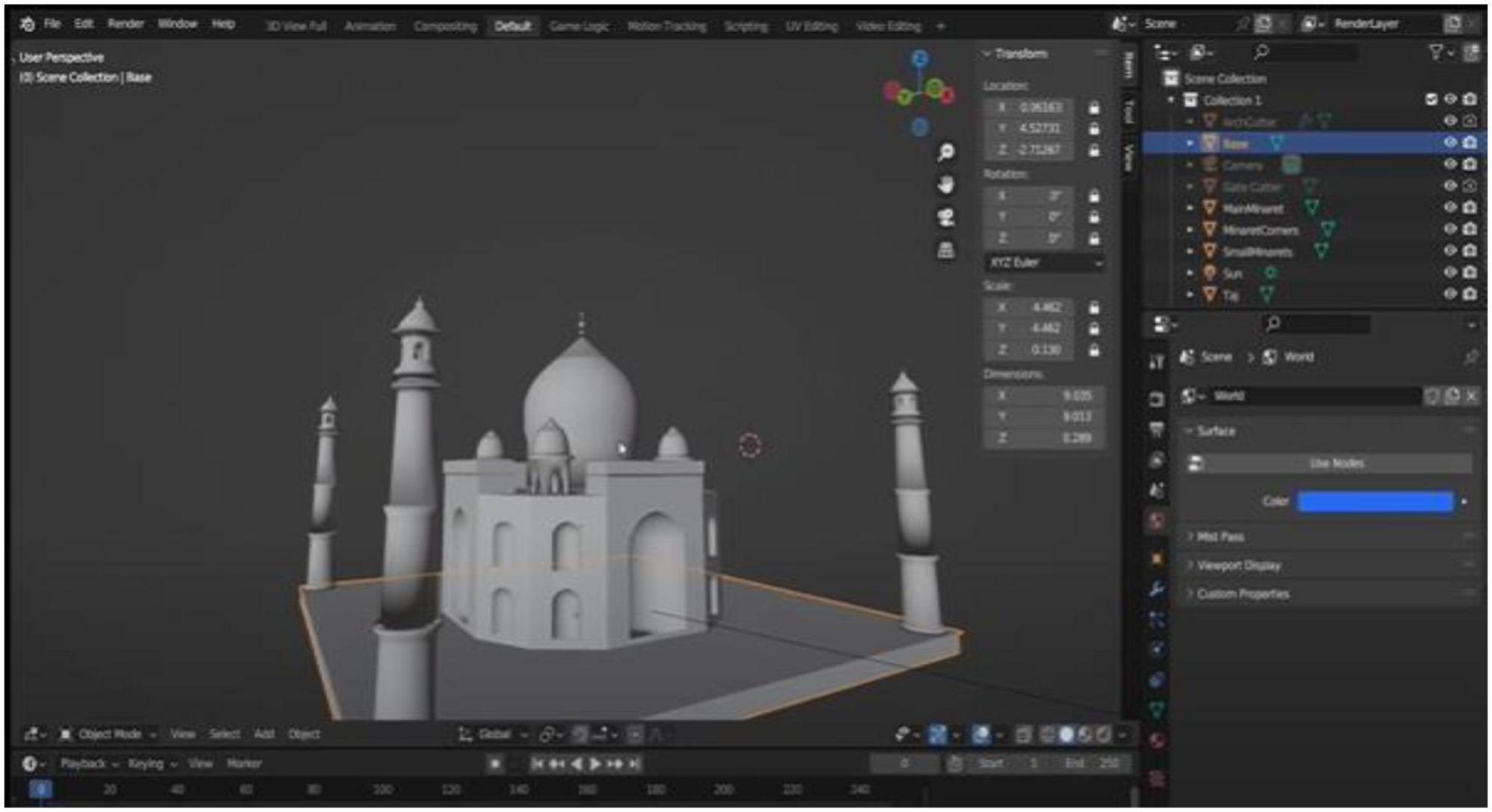
Figure 2. Creating a 3D model for the sample image.
Import 3D model into VR development platform
Consecutively, the 3D image must be brought into the VR development platform engine. For this, we use Unity, a cross-platform that is considered an easy-to-use platform to deploy interactive simulations, game development, and others for beginner-level developers. Next, it is necessary to decide on the VR hardware that must be used because different VR headsets have specific requirements. Once the 3D model is prepared, it is necessary to note that the model is optimized for real-time rendering. Accordingly, it should be created as a new project on the Unity platform. Now, the imported model should be configured according to our requirements and needs in the inspector window. Then drag the model from the Assets window to the hierarchy scene of the provided window. Proceeding further, it is necessary to position and scale the 3D object into the scene. In addition, lighting and environmental settings such as skyboxes and ambient light should be configured at this stage to enhance the visual realism of the virtual scene and simulate real-world conditions of the tourist location. By doing the above-mentioned procedures, we could obtain the following result as shown in Figure 3.
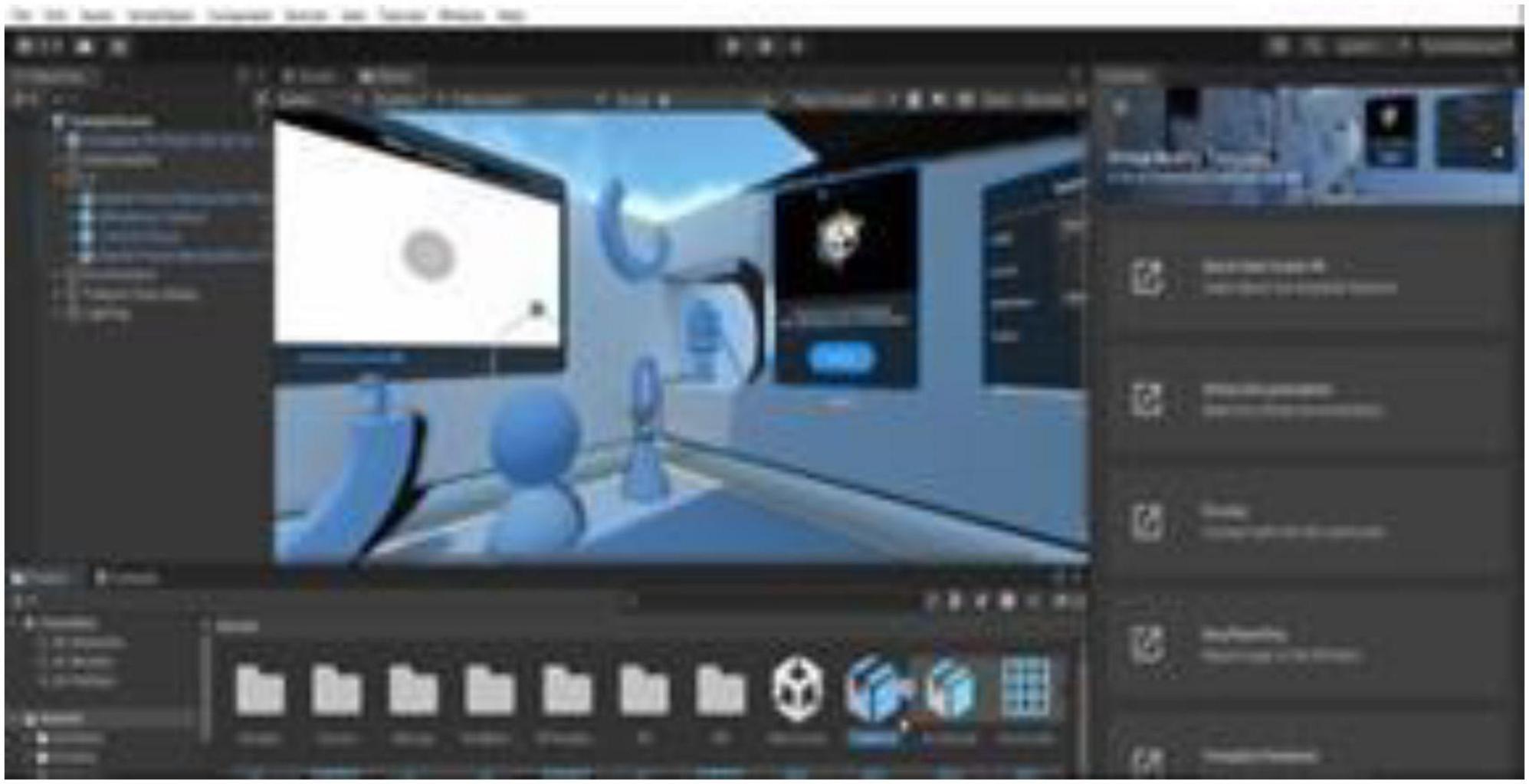
Figure 3. Importing the 3D model into unity.
The process of importing the 3D model into the VR development platform, Unity, is shown in Figure 3. To provide a realistic appearance, textures, and materials can be applied to the 3D models. Also, ensure that the materials must be compatible with Unity’s rendering pipeline. It is important to ensure that the VR cameras are correctly set up to create stereoscopic 3D effects.
Creating VR scene
Moving further, the next work that is to be accomplished is to create the required VR scenes as shown in Figure 4. It is necessary to replace the default camera with the VR camera because it is useful in headset tracking. Along with the main 3D model, some assets can be used from the Unity Asset Store, which is a digital marketplace. Unity Asset Store consists of 2D and 3D art, tools, scripts, animations, audio, etc. The assets can be used by dragging them and placing them in the project window. These assets can be used by importing them into the project window, the necessary models. The VR environment can be designed by properly arranging the 3D models, terrains, and other assets in the scene. Scene design is important for creating a VR experience. This process involves a combination of aesthetics, lighting, spatial arrangement, and storytelling to create an engaging VR world. Also, it is necessary to add interactions into the scenery so that it gives an enhanced experience to the people who use it. Audio is one of the major interactive elements, so import audio assets that can be related to the tourist place. To further enhance immersion, animated elements like birds flying, people walking, or water flowing can be added into the scene. These subtle animations help replicate natural movements, making the virtual environment feel more dynamic and lifelike.
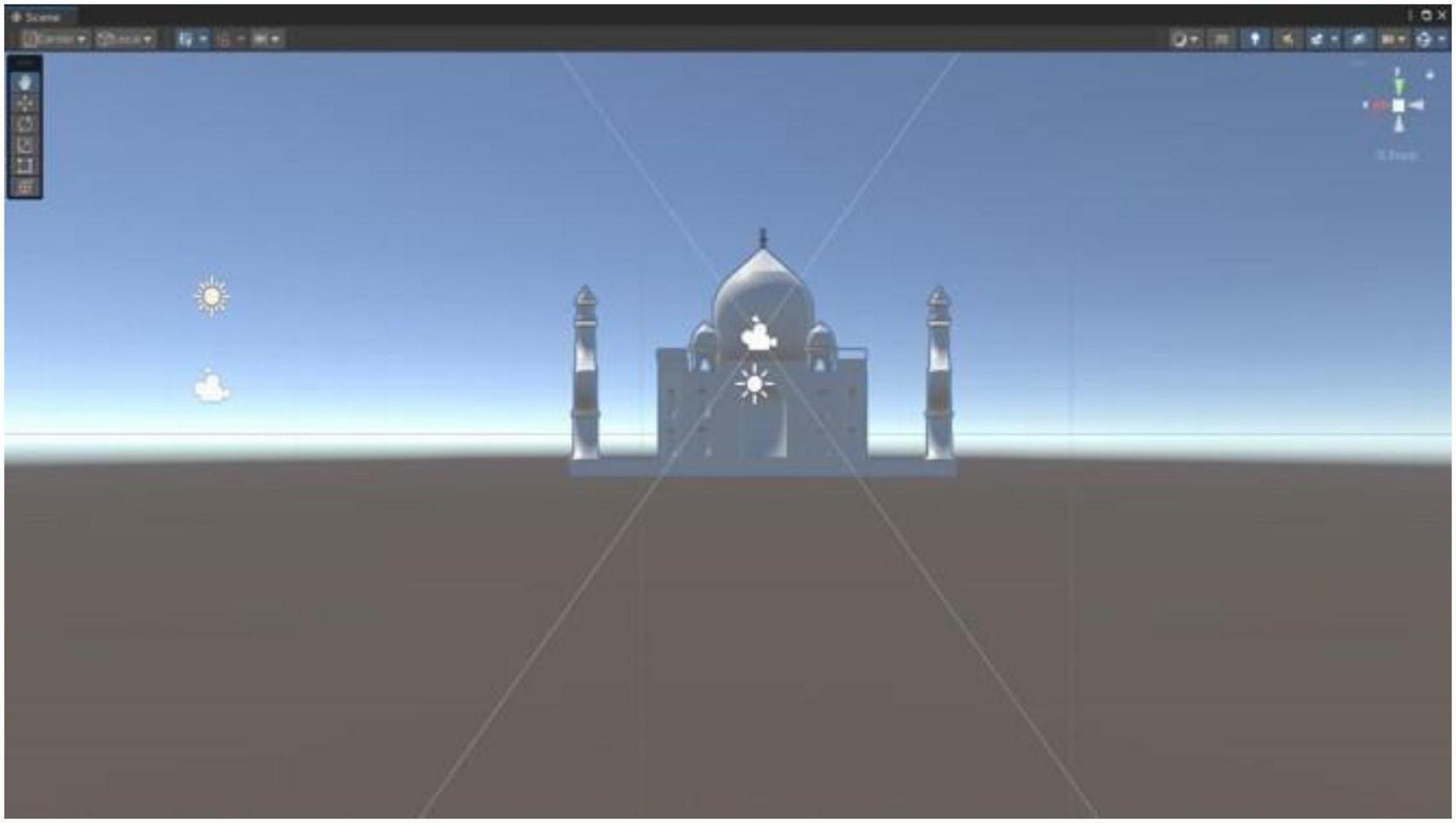
Figure 4. Creating VR scene to the model.
The only difference is that it is created in the virtual environment so that the users can experience it immersively without many differences. Adding elements such as buttons, doors, or other objects that users can manipulate within the VR environment makes the user more interactive. Also implementing teleportation or locomotion systems allows users to move around the VR environment. It is important to note that different VR platforms have their own locomotion guidelines.
Evaluating user experience
Once the VR-based tourism environment is developed, evaluating user experience becomes a crucial step. This involves observing how users interact with the virtual setup and gathering informal feedback on aspects like immersion, navigation, realism, and satisfaction. Although no formal survey was conducted, general observations or peer reviews can help identify usability issues or areas for improvement. This step ensures the system is intuitive, accessible, and aligns with the expectations of diverse users, especially those with physical or financial constraints.
Implementation
The implementation part of the work is to build the VR experience in the Unity Engine. This is considered a more crucial and important part of the workflow, as it ensures the proper working model of the expected outcome, refining the created VR experience to ensure a more immersive experience out of it. This can be made possible by adding some interactive features in the environment that are created for the end users to get the exact same feeling.
Figure 5 depicts the expected final output of the built VR experience, which has all the necessary scenery that is built in it. It shows the people an immersive experience of how it appears in the actual view of a person. It helps to experience the spots with a more realistic feel and gain the maximum out of them.
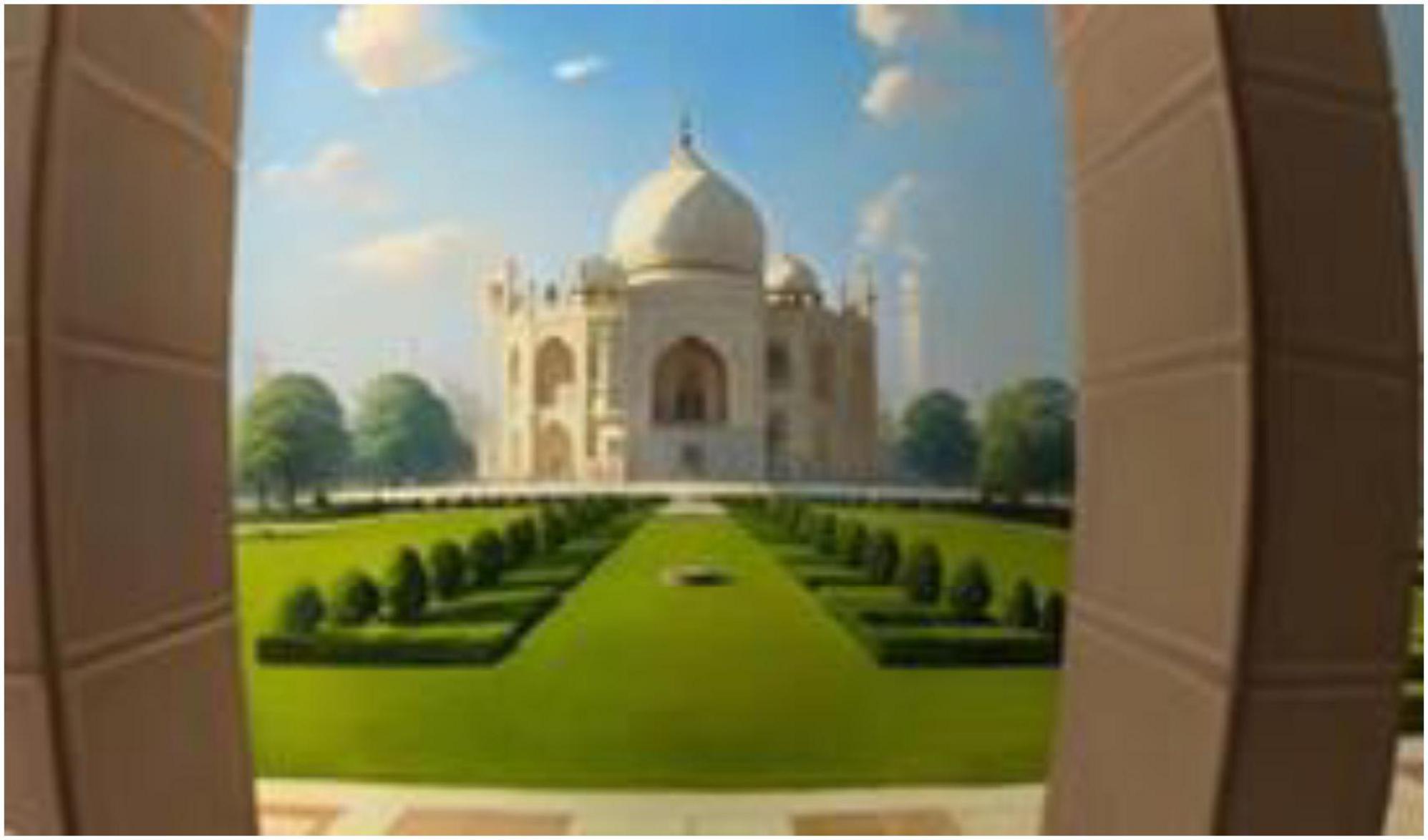
Figure 5. Output for the built VR layout.
The final stage of the workflow involves experiencing the developed virtual environment through a VR headset, thereby implementing the components described in the preceding stages. This process typically includes setting up the headset, configuring parameters such as interpupillary distance (IPD), and ensuring visual clarity and comfort for the user. To obtain an immersive experience of tourist destinations, users are recommended to utilize modern VR headsets such as the Meta Quest 3, Meta Quest 3S, HTC Vive Pro 2, or PlayStation VR2. These devices offer high-resolution displays, improved refresh rates, accurate motion tracking, and spatial audio capabilities, all of which contribute to a more realistic and engaging user experience.
It is important to note that while experiencing virtual tourist destinations, users may also generate imaginative or fictional interpretations influenced by their perception, as discussed in related works (14, 15). The quality and depth of the VR experience often depend on factors such as the chosen hardware, budget constraints, and the user’s willingness to engage with the technology to achieve the desired level of immersion. Furthermore, integrating spatial audio and realistic sound effects into the virtual environment can significantly enhance the sense of presence and overall user satisfaction. The primary objective of this study is to design, develop, and deploy an effective VR-based framework for immersive tourism experiences.
Results and discussion
The VR-based tourism system developed aimed to provide users with an immersive and interactive experience of exploring travel destinations without physically visiting them. It significantly enhances user engagement, realism, and accessibility when compared to traditional tourism media such as brochures, images, or videos. The immersive 360° environment and freedom to explore destinations will provide a next level of presence. Also, for users with physical or financial constraints, it offers a feasible and cost-effective alternative to real-world travel.
Studies show that over 70% of users report higher satisfaction and memory retention when interacting with immersive VR environments as opposed to static media, demonstrating its potential for deeper emotional engagement and experiential learning. Additionally, platforms using image-based storytelling in virtual environments have shown a 30–40% increase in user interaction time, indicating greater engagement and interest.
With reference to Figure 6, the findings indicate that VR excels in areas such as interactivity, emotional engagement, and realism. Informal feedback from users indicated a high level of satisfaction, especially regarding interactivity and the sense of immersion. Overall, VR-based travel will not replace traditional travel but rather enhance it by offering a preview or alternative experience. With further technological advancements, VR can become a transformative tool for inclusive and sustainable tourism in the future.
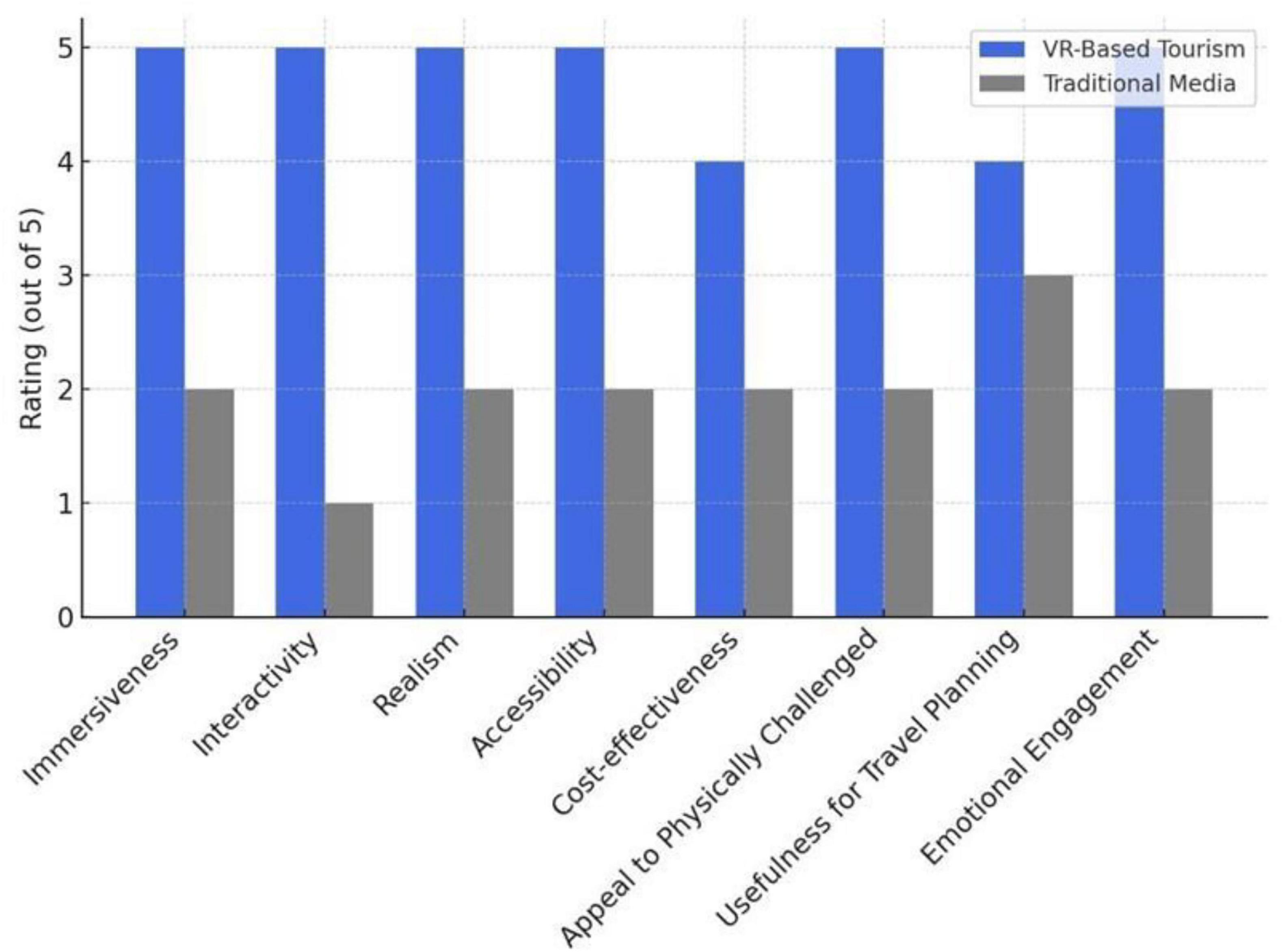
Figure 6. Result comparison.
Conclusion
The technological updates that are occurring across the globe are engaging and are even acceptable to a certain mark. If it be so, then the emergence of immersive experiences will be gradually increased, and at the same time the people will also benefit from the introduction of new methods. Thus, VR has the capability to bring innovative and creative solutions to the tourism industry, and the current challenges that are faced by the same will be changed. It brings the enhanced experience to the people in an immersive and interactive way of experiencing the tourist destinations at a prior hand before they actually travel. Recent trends also suggest that a significant majority of users, around 65–70%, express increased interest in visiting destinations after first experiencing them in VR, showing its potential to inspire real-world travel rather than replace it. Additionally, by reducing unnecessary travel for preliminary exploration or accessibility purposes, VR also supports sustainable tourism goals by lowering environmental impact and promoting eco-conscious travel planning. However, the concept of traditional traveling will not be completely replaced by emerging technologies, but it will create new experiences and opportunities in the field of travel and tourism. To conclude, we can say that VR could create new heights in the future of traveling to distant and risky destinations.
Author contributions
CDCS initiated and designed the study. AS developed the methodology and performed the experiments. ARP analyzed and interpreted the data. DJRA supervised the research and reviewed the manuscript. All authors contributed to the writing of the manuscript, read and approved the final version, and agree to be accountable for all aspects of the work.
Funding
This research did not receive any specific grant, funding, or financial support from any funding agency in the public, commercial, or not-for-profit sectors. The study was conducted without external financial support.
Acknowledgments
The authors would like to thank everyone who directly or indirectly supported the completion of this research.
Conflict of interest
The authors declare that the research was conducted in the absence of any commercial or financial relationships that could be construed as a potential conflict of interest.
References
1. Kathuri PK, Mantri A, Anireddy S. Innovations in tourism industry & development using augmented reality (AR), virtual reality (VR). In: 2019 IEEE Region 10 Conference (TENCON 2019). Piscataway (NJ): IEEE (2019).
2. Talwara S, Kaur P, Nunkoo R, Dhir A. Digitalization and sustainability: virtual reality tourism in a post pandemic world. J Sustain Tour. (2023) 31(11):2564–91.
3. Wagler A, Hanus MD. Comparing virtual reality tourism to real-life experience: effects of presence and engagement on attitude and enjoyment. Commun Res Rep. (2018) 35(5):456–64.
4. Zhang Y, Li X, Dai M. Virtual tourism immersive experience system. In: 2020 International Conference on Virtual Reality and Visualization (ICVRV), Recife, Brazil. Piscataway (NJ): IEEE (2020).
5. Sussmann S, Vanhegan H. Virtual reality and the tourism product substitution or complement? In: ECIS 2000 Proceedings. IEEE (2000). 117 p.
6. Yung R, Khoo-Lattimore C. New realities: a systematic literature review on virtual reality and augmented reality in tourism research. Curr Issues Tour. (2017) 22(17):2056–81.
7. Jung T, tom Dieck MC, Moorhouse N, tom Dieck D. Tourists’ experience of virtual reality applications. In: 2017 IEEE International Conference on Consumer Electronics (ICCE), Las Vegas, NV, USA. Piscataway (NJ): IEEE (2017).
8. Lee BW, Shih HY, Chou YT, Chen YS. Educational virtual reality implementation on English for tourism purpose using knowledge-based engineering. In: Meen TH, Prior SD, Lam HK editors. Proceedings of the 2017 IEEE International Conference on Applied System Innovation (IEEE-ICASI 2017) Sapporo, Japan. Piscataway (NJ): IEEE (2017).
9. Gibson A, O’Rawe M. Virtual Reality as a Travel Promotional Tool: Insights from a Consumer Travel Fair. Springer International Publishing AG (2018).
11. Yung R, Khoo-Lattimore C, Prayag G, Surovaya E. Around the world in less than a day: virtual reality, destination image and perceived destination choice risk in family tourism. Tour Recreat Res. (2020) 46(1):3–18.
12. Bozzelli G, Raia A, Ricciardi S, De Nino M, Barile N, Perrella M , et al. An integrated VR/AR framework for a user-centric interactive experience of cultural heritage: the ArkaeVision project. Digit Appl Archaeol Cult Herit. (2019) 15:e00124.
13. Tussyadiah IP, Wang D, Jung TH, tom Dieck MC. Virtual reality, presence, and attitude change: empirical evidence from tourism. Tour Manage. (2018) 66:140–54.
14. Bogicevica V, Seob S, Kandampully JA, Liuc SQ, Rudd NA. Virtual reality presence as a preamble of tourism experience: the role of mental imagery. Tour Manage. (2019) 74:55–64.
15. Beck J, Rainoldi M, Egger R. Virtual reality in tourism: a state-of-the-art review. Tour Rev. (2019) 74(3):586–612.
© The Author(s). 2026 Open Access This article is distributed under the terms of the Creative Commons Attribution 4.0 International License (https://creativecommons.org/licenses/by/4.0/), which permits unrestricted use, distribution, and reproduction in any medium, provided you give appropriate credit to the original author(s) and the source, provide a link to the Creative Commons license, and indicate if changes were made.