Introduction
Within the historical by-lanes of Bakshi Bazar, a lively old Dhaka neighborhood, one can find Dhopabari, a haven for the Dhopa people. Like all traditional laundrymen, the Dhopa tend to a range of clients, which allows them to build relationships during the wash and provides a personal touch seldom seen in modern services.
The Dhopa’s craft epitomizes the living heritage of intertwining work, culture, and social connections within one of South Asia’s historically notable cities.
Nonetheless, this age-old occupation faces the brunt of modern urbanization, economic shifts, and mechanized competing industries. The Dhopa find themselves at a crossroads. Their future is ambiguous, and societal values coupled with technological progress are not tilted in their favor. This research seeks to tell the story of the Dhopa and their daily struggles to reveal the plight of this vanishing heritage.
Fading threads of tradition: the life of Dhopa in Bakshi Bazar, a glimpse into Dhopabari
Dhopabari is a workspace but also serves as an epitome of the culture of Old Dhaka. The narrow alleys and their gentle spices bring life to the echoes of trust and the devotion of meticulous effort. Unlike modern industries that heavily prioritize speed and mechanization, the Dhopa value precision, and furnace-spent cloths watering-rhythm icons at their workplaces showcase this dedication.
Unfortunately, the workspace is cramped as well as damp, reflecting the strenuous and laborious nature of the job. This coupled with the cramped conditions serves the oppressed nature of the profession.
Historical and cultural context
The Dhopa profession is one of the oldest in South Asia and, hence, formed an intrinsic social system. Texts at that time, such as Ain-i-Akbari, mention the relationship that the aristocrats and urban societies shared with the washermen (1). During the peak industrial periods of Dhaka, the Dhopa catered to homes and also to the textile industries. The trade is hereditary, as it is the case with most in the region. Sociological studies like N.K. Sharma’s Caste and Profession in South Asia draw attention to Dhopa’s role in sustaining urban identity culture in Old Dhaka (2).
Modern challenges
The Dhopa are losing business to automated laundry services that are more convenient, quicker, and cheaper than Dhaka’s urban population. These services draw away a considerable portion of the Dhopa’s business (3). Other issues also include a lack of clean water, poor sanitation, and rising costs of detergent. Younger Dhopa are abandoning traditional professions, increasing the likelihood of culture loss (4).
Daily life of a Dhopa
Navigating the narrow lanes of Bakshi Bazar, a Dhopa collects clothes that need washing (Figure 1). By sunrise, they are washing clothes on the riverbank, using stone slabs and sun-drying the clothes after rinsing (Figure 2). These efforts are a testimony to their commitment (Figures 1 and 2).
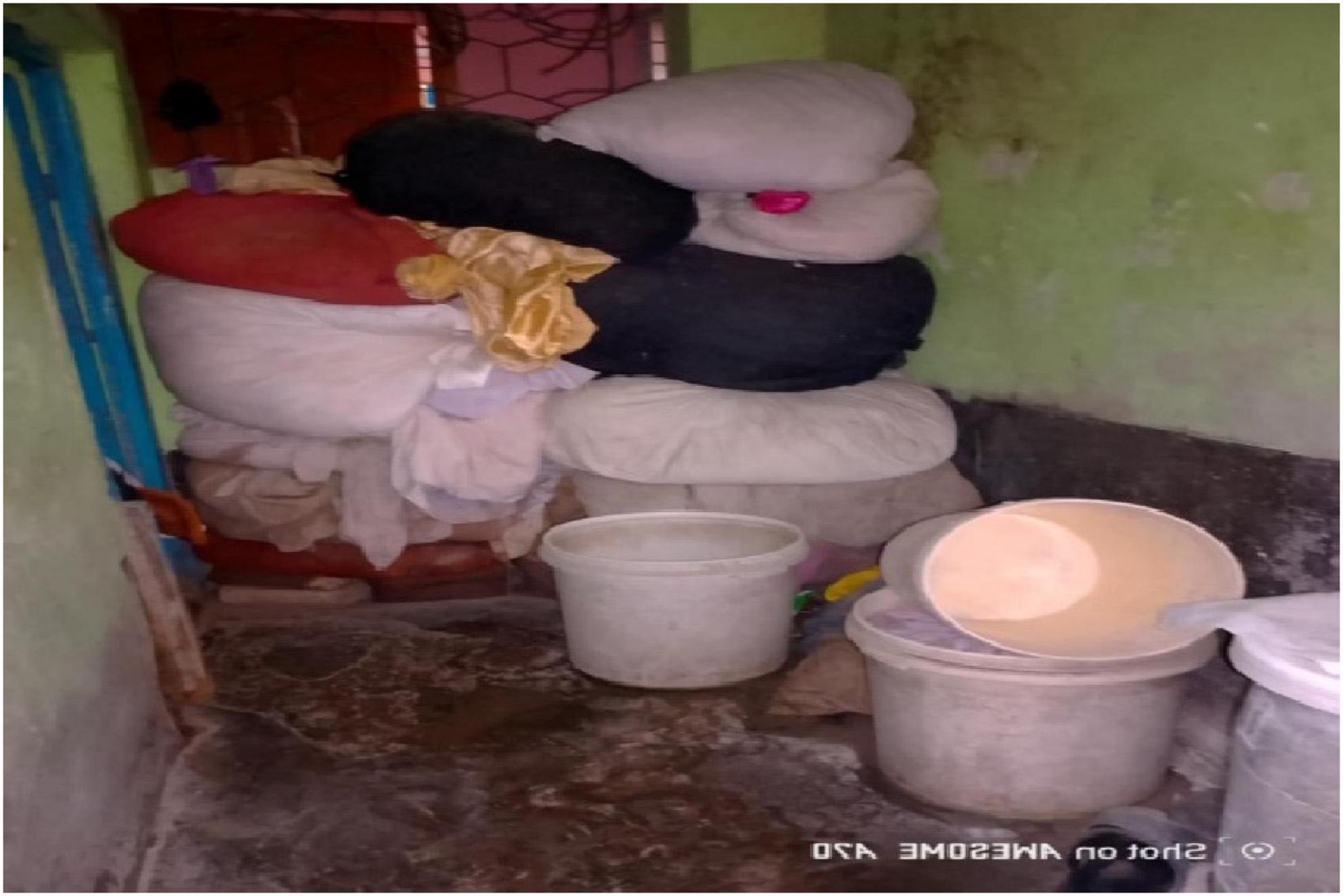
Figure 1. Dhopabari: captured through the researcher’s lens.
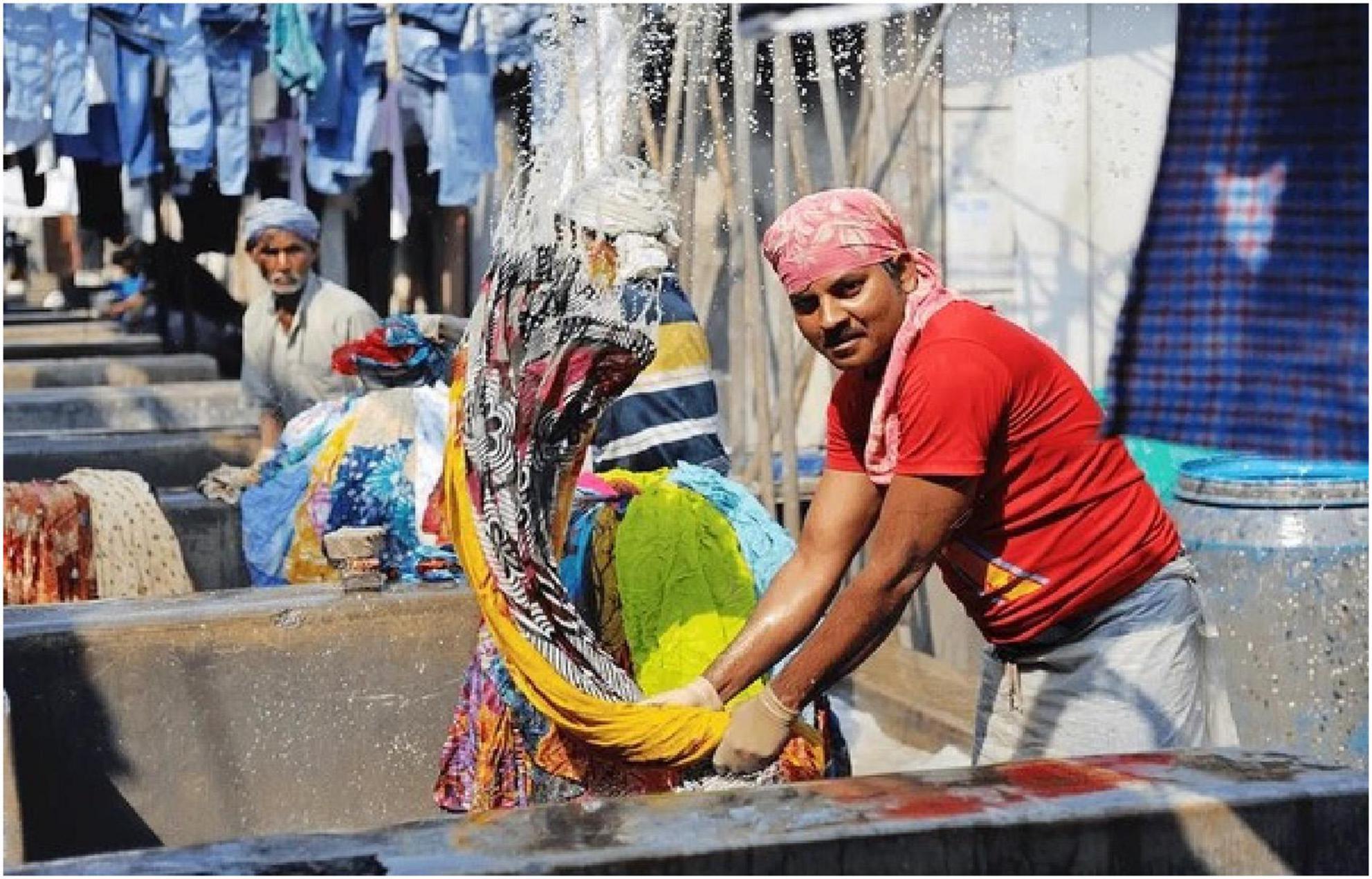
Figure 2. A Dhopa is washing clothes at the bank of the river, photo collected by Google.
In the afternoons, they iron and fold the clothes and then deliver them by dusk. Their physically demanding jobs keep them rooted to a multi-generational Dhopa legacy.
Actions to improve future prospects
The lack of focus on the identity of the Dhopa is concerning. Integrating cultural advocacy for skill enhancement, including Dhopabari for cultural tourism, and identity preservation is a step in the right direction. Adopting a new and traditional hybrid approach to techniques, crafts, and tools may aid in the survivability of the Dhopa. Policy changes addressing resources and possible financial aid streams are vital to maintaining the Dhopa’s craft.
In reflection
Dhopa’s narrative is one of resistance, cultural identity, and the preservation of traditions. While contemporary Dhaka is modernizing, the Dhopa remind us of the importance of preserving traditions. Their craft tells us something about Old Dhaka and Dhaka’s spirit.
Preservation of the Dhopa’s legacy is not merely economical. It is the preservation of identity and a tribute to community ethnos. With cultural adaptation and deep commitment, Dhopa’s narrative can be celebrated for many generations to come.
Conclusion
Bakshi Bazar and Dhopa are emblematic of community, culture, and history. Provided with the proper resources, this community, in conjunction with the outside world, will be able to preserve the area’s unique cultural identity.
Balancing preservation with modern techniques is essential to sustaining the traditions. Rekindling interest and respect for the dhopa’s position in Dhaka’s rich history is possible through a collective framework by the government, non-governmental organizations (NGOs), and local communities. Through these efforts, the brilliantly vibrant Dhopabari can further serve as a beacon of Old Dhaka’s spirit.
Funding
The author declares that no financial support was received for the research, authorship, and/or publication of this article.
End note
1. The data utilized in the study can be accessed upon the author’s request.
Conflict of interest
The author declares that the research was conducted in the absence of any commercial or financial relationships that could be construed as a potential conflict of interest.
References
1. Fazl A. Ain-i-Akbari: Documenting the Weavers of a City and the Mughal’s eras. Calcutta: Asiatic Society (1873).
3. Department of Sociology, Dhaka University. The Effects of Urbanization on Dhaka’s Professions in Bangladesh. Department of Sociology, Dhaka University (2020).
4. Various Articles. Old Dhaka’s Traditional Professions in Decline. The Daily Star and Prothom Alo (2022).
© The Author(s). 2026 Open Access This article is distributed under the terms of the Creative Commons Attribution 4.0 International License (https://creativecommons.org/licenses/by/4.0/), which permits unrestricted use, distribution, and reproduction in any medium, provided you give appropriate credit to the original author(s) and the source, provide a link to the Creative Commons license, and indicate if changes were made.