Introduction
Growing environmental concerns and the depletion of oil resources further underscore the importance of natural fibers, prompting researchers and industry to seek sustainable alternatives to conventional synthetic fibers. Dhir emphasizes that natural fibers offer a sustainable option for both textile and nontextile applications, providing properties that promote environmental conservation while reducing reliance on environmentally harmful synthetic materials (1). Bamboo fiber is a prominent example of a sustainable alternative in textile production. Fast-growing and low-maintenance, bamboo requires minimal resources to cultivate, making it an environmentally friendly choice for fabric manufacturing. Its natural antimicrobial properties, combined with softness and durability, have contributed to its increasing popularity in the fashion industry (2). Vernonia elaeagnifolia is one of the plant species studied for its fiber. Numerous techniques have been employed to extract fiber from the stem. The most common fiber extraction technique is called retting and involves separation of fibers from the woody core by controlled degradation of the stem. The fibers were obtained from the domestically grown Vernonia elaeagnifolia plant through a conventional retting process. The extraction of fibers was done using natural water retting (3). Several different vegan leather alternatives to real leather are available on the market today, including Muskin®, Desserto®, Appleskin®, Vegea®, SnapPap®, Kombucha, Teak Leaf®, Pinatex®, and Noani® (4). For example, Teak Leaf® leather is produced from leaves, whereas Desserto® is made from cactus fibers, Appleskin® from apple residues, and Vegea® from the skins, seeds, and stems of grapes. Pinatex® leather contains fibers sourced from pineapple leaves (4–6). There are fungi-derived leather substitutes that represent a new class of sustainable materials (7). Mycelium can be cultivated rapidly and requires fewer resources compared to traditional leather production. This biogenic material offers a sustainable option for the fashion industry, potentially replacing animal leather with a more environmentally responsible alternative (8). Bacterial cellulose, produced through fermentation, represents another innovative approach to sustainability in textiles. It is versatility and distinctive properties, such as mechanical strength and biodegradability (9). These features support the textile industry’s ongoing efforts to reduce reliance on petroleum-based materials, which dominate conventional production processes. These bioleathers, tanned with plant-based lecithin, offer high tensile strength and a reduced environmental footprint compared to traditional leather (10). Kombucha (KBC) is a typical example; there are various nutrient media for KBC biosynthesis, including yogurt whey, apple juice, and brewer’s grains. The result shows that KBC can be used as a leather substitute in the fabrication of biofabrics (11). Since the color of original BC was mostly yellowish white, a dyeing process is necessary to suggest BC as a textile. Therefore, there have been many studies to propose natural dyeing methods, and among them is the use of coffee as a dye adsorbent (12–15). There is research on fruits (apple, pear, mango, etc.) to make bioleather (16–21). By transforming agricultural waste into textile resources, manufacturers can significantly reduce the environmental impact associated with raw material extraction while promoting sustainability. Other study focuses on developing biobased leather-like materials using novel formulations of agro-waste, such as maple leaf (5%–10%) and apple pulp (0%–10%), combined with KBC biomass cellulose (25%–40%), biodegradable polyesters (0%–25%), and plasticizers (5%–20%) (22, 23). Cactus leather is another innovative alternative (24). In Indonesia, biological leather made from soybean shells has been successfully researched. The authors use synthetic techniques with some materials used: agar, glycerin, and soybean shells in a ratio of 1:2:40, followed by mixing the ingredients, cooking to the required boiling temperature, and then pouring into molds and drying. The sheet will have a slightly rough texture, be slightly wrinkled, shrink into an asymmetrical and flexible shape, and can be rolled up (25). Peelsphere, a material created from fruit waste like banana and orange peels combined with algae, stands out as a 100% biodegradable and recyclable material (26). Moreover, the use of banana fiber has shown considerable promise in various textile applications due to its sustainability and unique properties. Researchers have explored its potential in reinforcing polymer composite materials, further expanding its applications in the textile field (27). In addition, banana peels have been studied for their application as a bioplastic in plant-growing bags, showing the versatility of this material beyond traditional textile applications (28). Although many plant- and fruit-derived bioleathers have been developed from apples, pineapples, and other agricultural wastes (16–21), mango waste remains underutilized. Systematic studies on formulation and processing parameters required to achieve suitable mechanical, adhesion, and aesthetic properties in mango-derived bioleathers are limited. Addressing this research gap offers a sustainable strategy for transforming mango waste into textile materials, thereby reducing environmental impact and expanding the range of bioleather alternatives. Therefore, the present study aims to develop a mango-derived bioleather, focusing on its formulation, processing, and potential applications in fashion accessories.
Methodology
Although ripe mangoes already contain citric acid, it’s not enough to create the sufficient adhesive properties on its own, so we need to add more citric acid (in powder form) during the production process.
The production process is as follows: Prepare mango waste (purchased from local markets in Vietnam) as the main raw material. The mangoes are washed, peeled, and deseeded. Then, lightly grind the mango and add the additives: oatmeal powder, citric acid ≥99.5%, pectin, and malt. Continue grinding the mixture until it reaches a smooth consistency, then spread the mixture evenly to the appropriate thickness onto a mica mold and dry for 12–14 hours. The drying temperatures in this study were 60°C, 70°C, and 80°C, and the drying thicknesses were 2 mm, 4 mm, and 6 mm. Dry until the product moisture content is approximately 10%–15%, then coat the surface of the leather fabric with a 5% diluted chitosan solution. Next, dry the surface and cool. The drying temperatures after coating in this study were 60°C, 65°C, and 70°C, and the drying times ranged from 1 to 2 hours (Figure 1).
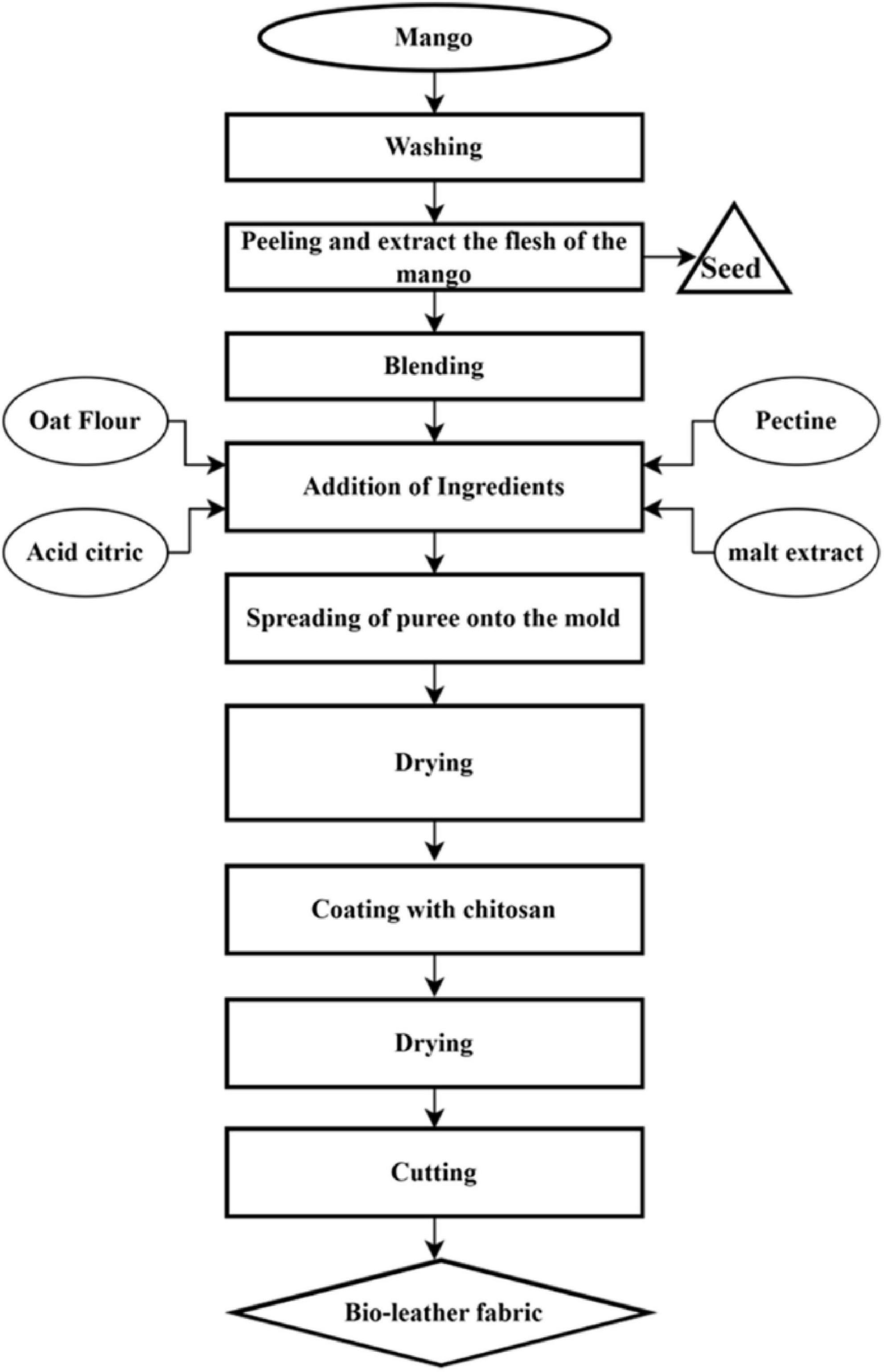
Figure 1. Production process diagram of mango-based bioleather.
The experimental model for the production process of mango-based bioleather fabric was surveyed through four experiments.
The overall study was conducted over 3 months, from document collection to final analysis, and included four practical experiments.
Experiment 1: investigation of chemical ratios
Objective: The chemicals used in this experiment include oat flour, citric acid (≥99.5%), malt extract, and pectin (which may be substituted with gelatin). The purpose of this experiment is to determine the proportion of components in mango-based bioleather (Table 1).
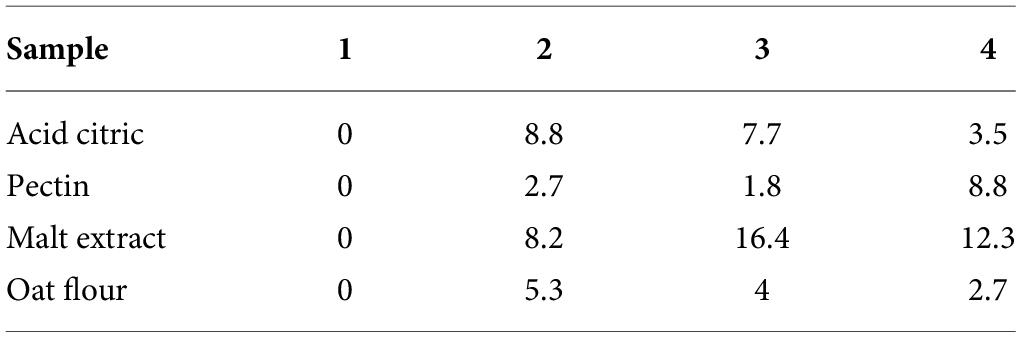
Table 1. Experiment to investigate the ratio of chemical mass to mango mass for reuse (Unit: %).
Experiment 2: investigation of substrate thickness before drying
Objective: The experiment aimed to determine the appropriate thickness for the bioleather fabric when applying the substrate mixture to the mold (Table 2). The thickness of the bioleather fabric before drying will affect the drying time, color, durability, and structure of the product.

Table 2. Experiment to investigate the thickness of bioleather fabric before drying (Unit: mm).
Experiment 3: investigation of drying temperature and time
Objective: The experiment aims to evaluate the effect of drying temperature and drying time on the quality and appearance of the product (Table 3). Based on this, the optimal drying regime for the product will be selected.
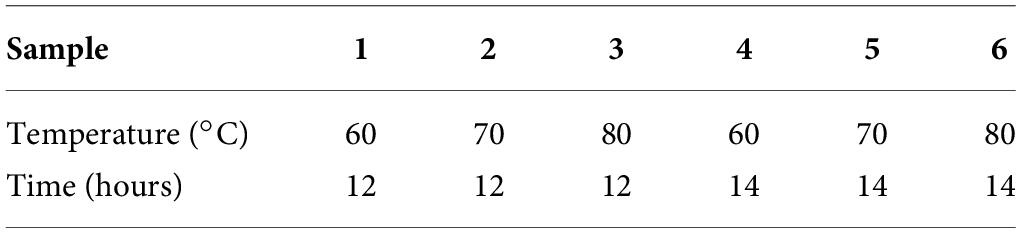
Table 3. Experimental study of drying temperature and drying time.
Experiment 4: investigation of drying temperature and drying time after chitosan coating
Objective: This experiment was conducted to determine the appropriate drying temperature and time (Table 4) to produce a product that meets the desired standards.
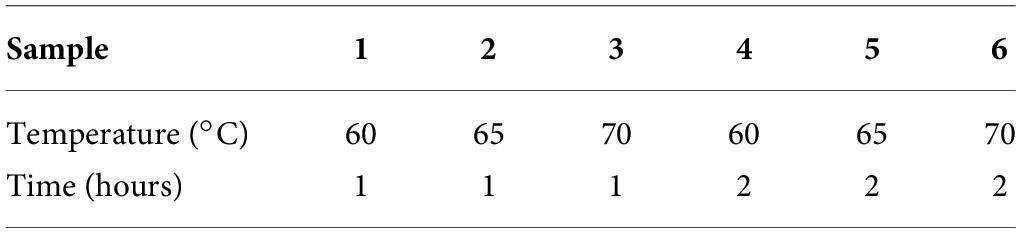
Table 4. Experimental setup for drying conditions after chitosan coating.
Finding
This experiment was conducted at the Italy-Vietnam Textile Technology Center, Ho Chi Minh City University of Technology, Vietnam National University, and verified at the Vietnam Textile Research Institute in Ho Chi Minh City (VTRSI).
Experiment 1: survey of chemical ratio
Remarks: Based on the results obtained (Table 5), the selected ratio of chemical mass to recycled mango mass is as follows: 8.8% citric acid, 2.7% pectin (which can be substituted with gelatin), 5.3% oatmeal, and 8.2% malt.
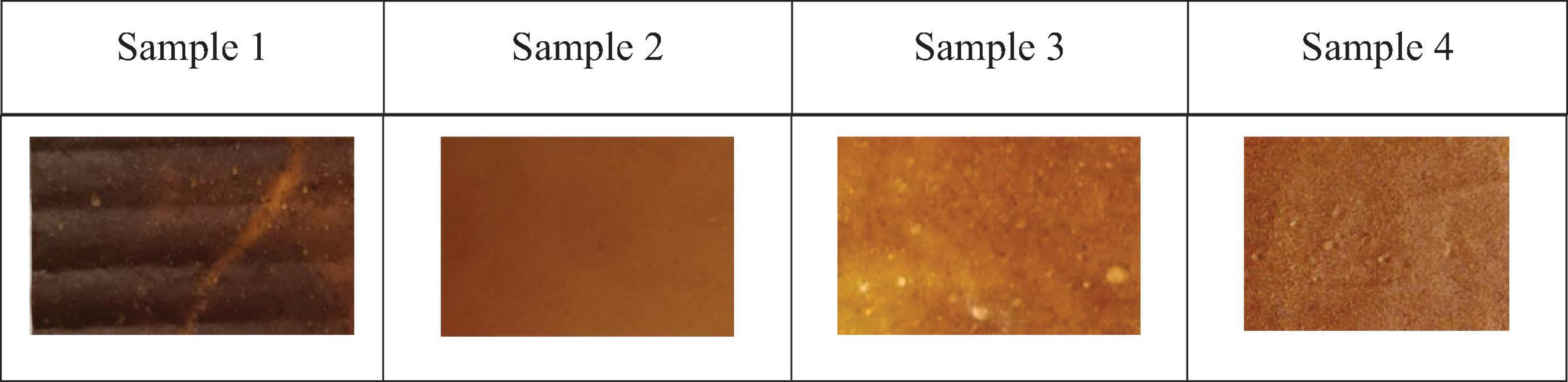
Table 5. Results of 4 product samples in experiment 1.
Experiment 2: survey of the thickness of the leather substrate before drying
Remarks: Based on the results obtained (Table 6), the leather sample with a substrate mixture thickness of 4 mm before drying was found to be the most suitable and was selected for subsequent experiments.
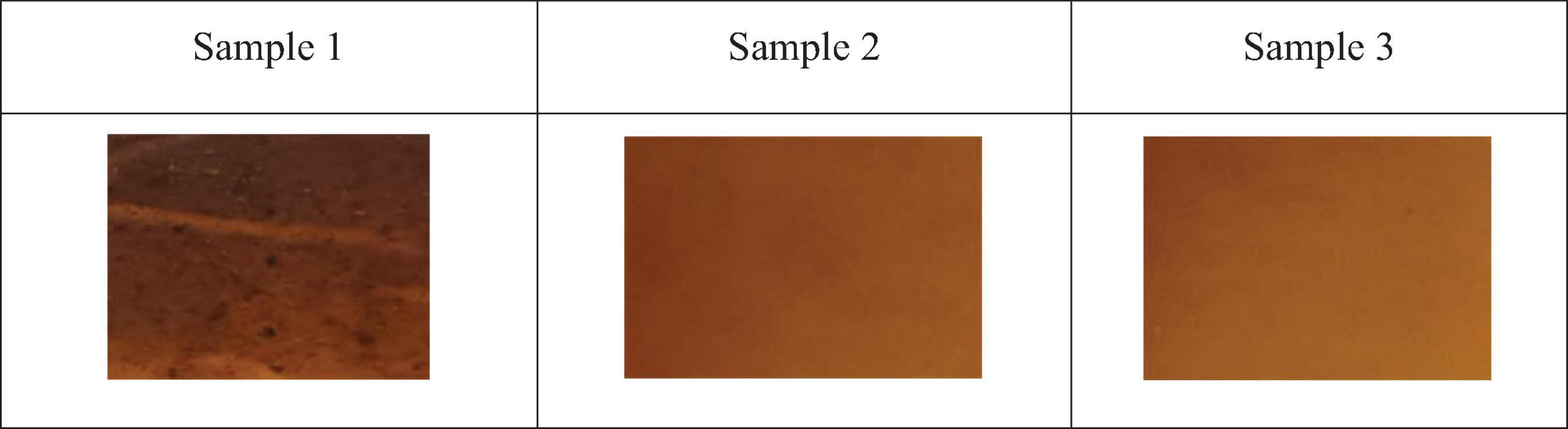
Table 6. Results of 3 product samples in experiment 2.
Experiment 3: survey of temperature and drying time of mixture
Remarks: Based on the results obtained (Table 7), the appropriate drying condition to achieve a moisture content of 10%–15% is to dry the product at 70°C for 14 hours, ensuring the desired moisture level.
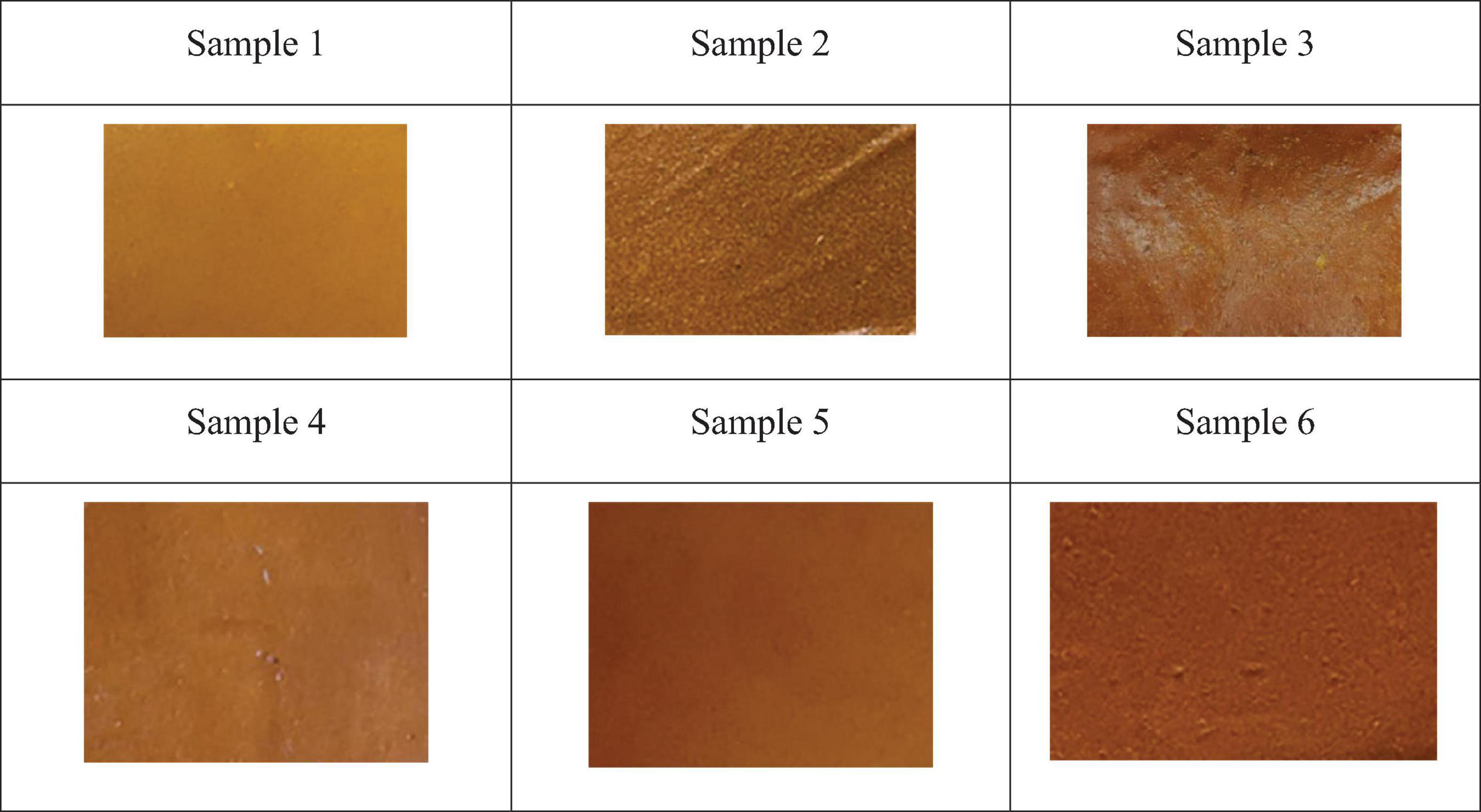
Table 7. Results of 6 product samples in experiment 3.
Experiment 4: survey of temperature and drying time after coating
Remarks: Based on the results obtained (Table 8), the appropriate drying condition after applying a 5% chitosan coating is to dry the product at 65°C for 2 hours to achieve the desired moisture content.
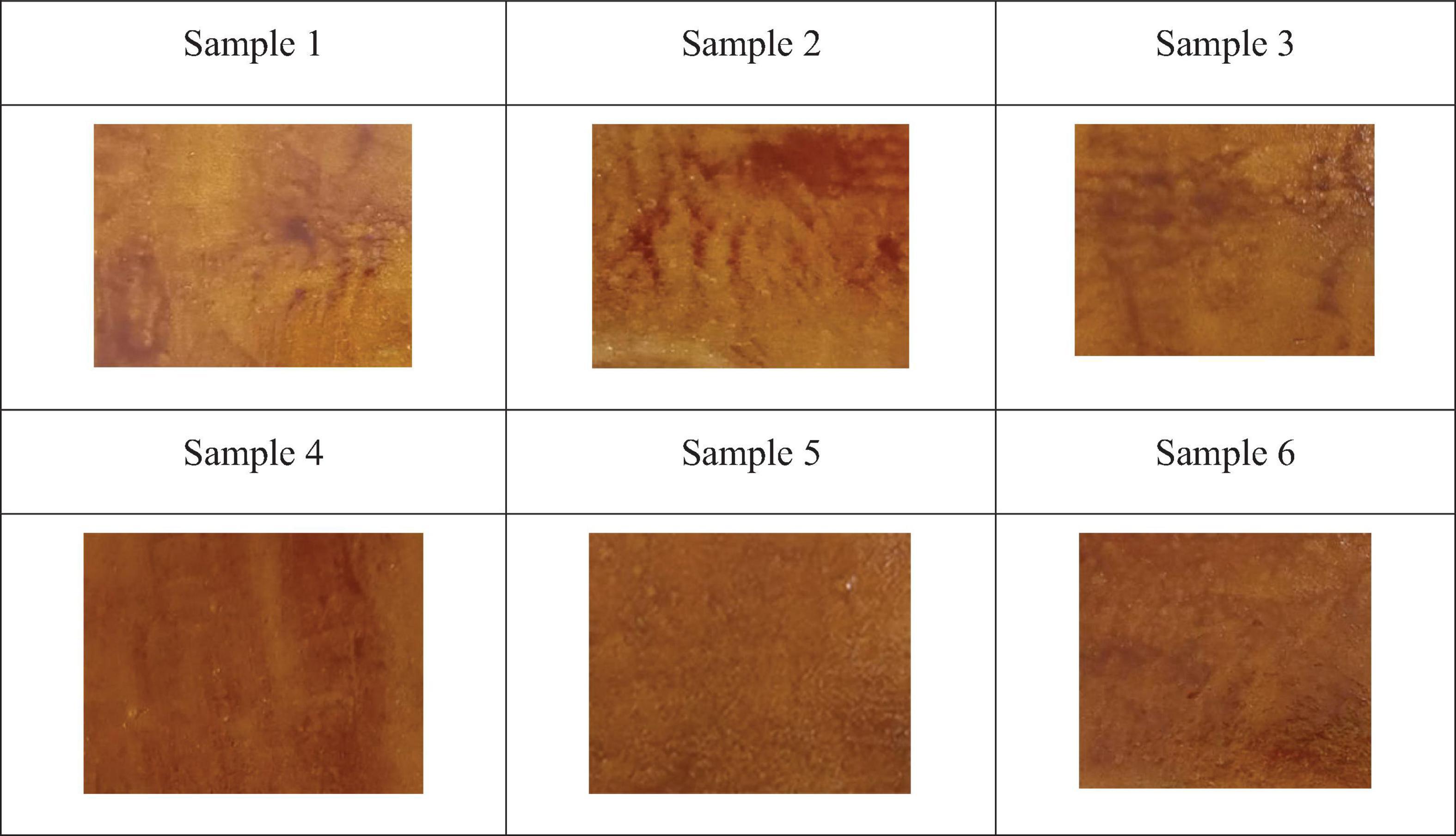
Table 8. Results of 6 product samples in experiment 4.
Experiment 5: evaluation of mechanical properties and appearance
Experimental methods were conducted to determine the mechanical properties of tensile strength, tear strength, and surface water resistance of the fabric. These experimental methods were carried out according to ISO standards, using sample dimensions of 50 × 200 mm.
Tensile strength
Tensile strength refers to the maximum stress that a leather sample can withstand when it is stretched or pulled before breaking, while the elongation percentage measures the degree of stretch during this process. The tensile strength is determined as the maximum force applied to the sample before it breaks, and the elongation percentage is calculated based on the change in length. The tensile strength and elongation percentage are necessary for the mechanical properties evaluation of leather.
To determine the tensile strength and elongation at break, the strip method is used according to ISO 13934-1 standards. In this test, the entire width of the sample strip is clamped into the grips of the testing machine. The results of the experiment are presented in Table 9. This experiment evaluates the suitability of the material as leather fabric for applications in apparel and accessories.

Table 9. Tensile stress results (unit: N).
Remarks: Based on the tensile stress data of five product samples (Table 9), an average value of tensile stress is 146.94 N. The results indicate that the average tensile stress falls within the range 120–150 N, which is a standard range required for leather fabrics used in the production of clothing and lightweight accessories. However, the significant 28.38 N gap between the highest tensile stress (159.71 N) and the lowest (131.33 N) indicates a lack of material uniformity. Such fluctuations could shorten the product’s lifespan, which is a major issue for high-wear accessories like footwear. Therefore, while the material works well for lighter items, it needs better uniformity to compete in the high-quality fashion market.
The mean tensile strength of the sample was 146.94 N with a standard deviation of 11.06 N. At a 95% confidence interval, the estimated tensile strength range was approximately 133.2–160.7 N.
Tear strength
Tear strength testing is a cornerstone of material science, providing critical data on a material’s durability and resistance. Far from being a routine lab check, this characterization dictates key decisions in design and safety while also influencing a product’s economic and environmental footprint.
Methodology: The tear strength of the fabric was determined using a falling pendulum device in accordance with the ISO 13937-1:2000 standard. This method measures the force required to extend an initial cut over a specific distance using a sudden, dynamic load.
The tear strength test results are presented in Table 10.

Table 10. Tear strength results (unit: N).
Remarks: Based on the tear strength test results of six product samples (Table 10), the average tear strength is 6.22 N, with the highest value being 9.72 N (sample 1) and the lowest value 4.91 N (sample 3). This generally low resistance can be attributed to the fiber length falling below the critical length required for effective stress transfer. In this state, the polymer binder fails to facilitate adequate load distribution across the matrix, leading to premature interfacial debonding under stress. When compared to general criteria, this material shows limited feasibility for various applications. For clothing, required tear strength typically ranges from 7 to 10 N; the material is only suitable for lightweight garments such as dresses or shirts. However, the low tear strength of some samples (4.99 and 4.91 N) presents a high risk of durability failure during practice use. For accessories that generally require a tear strength of 10–15 N or higher, such as bags or straps, this material falls below the necessary standard and is not suitable for products that need to withstand heavy loads. Additionally, the significant variation in tear strength between samples (4.81 N) indicates inconsistency in the material’s mechanical properties, which could pose challenges in manufacturing and quality control.
In general, while the material shows potential for lightweight garments or decorative accessories, improvements in tear strength and consistency are essential to expand its applicability to more demanding uses.
The mean tear strength of the sample was 6.22 N with a standard deviation of 1.81 N. At a 95% confidence interval, the estimated tear strength range was approximately 4.31–8.12 N.
Surface water resistance of fabric
The surface water resistance test is used to evaluate the material’s ability to resist prolonged water exposure. In its evaluation scale, level 5 (100/100) is the highest level, indicating that the material and its coatings remain unwettable during the surface wetting test. Meanwhile, level 1 (50/100) represents materials that become completely wet across the entire surface, which is typically the minimum acceptable grade to pass the test.
The experiment was conducted in accordance with the ISO 4920:2012 standard. This standard utilizes the spray test method to determine the resistance of fabrics to surface wetting. It applies to all textile types, regardless of whether they have received water-repellent or water-resistant treatments (29).
Remarks: Based on the water resistance results presented in Table 11, all three samples achieved Level 1, indicating that the material becomes completely wet on the surface during the test. This is the lowest level according to the ISO 4920:2012 standard. As a result, this material does not meet the necessary criteria for applications that require effective water resistance.
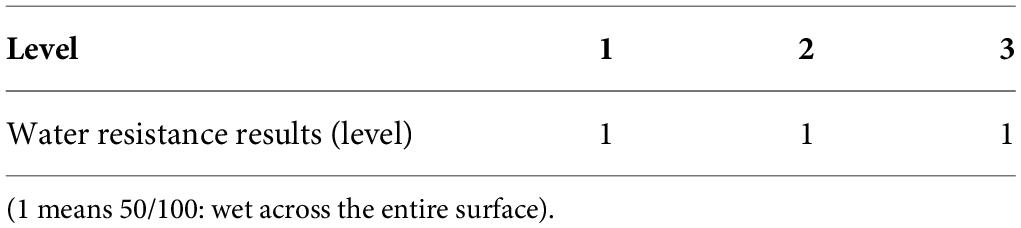
Table 11. Surface water resistance results (unit: level).
For outdoor apparel and humid-environment clothing, the industry baseline for surface water resistance is typically at least level 3. With a rating of only level 1, this material fails to meet basic waterproofing criteria. The gap is even wider for accessories like footwear or bags, which generally demand a level 4–5 rating to effectively protect contents. Therefore, this material in its current state is functionally unsuitable for these applications.
In terms of feasibility, the material is not practical for uses where water resistance is crucial, such as outdoor clothing, sportswear, or accessories intended for wet environments. It is effectively limited to products used in dry conditions or those that do not require waterproofing; take decorative items or indoor products, for example.
The material’s poor performance can be attributed to a likely porous structure that allows water to penetrate easily rather than staying on the surface. Additionally, the absence of any effective water-resistant finishes or protective coatings further contributes to its inability to meet standard durability requirements.
Thickness of material
The experiment used a caliper to measure the thickness of the material after drying, with the results shown in Table 12. The stabilization of thickness is a critical indicator of the material’s structural integrity since a significant shrinkage during drying could indicate a collapse of the internal porous network. Furthermore, thickness is directly correlated with the mechanical properties observed in previous tests. Variations in the thickness values shown in Table 12 likely contributed to the fluctuations seen in tensile and tear strength, as uneven thickness creates stress concentrations where failure can occur more easily.

Table 12. Thickness measurement of the material after drying (unit: mm).
Remarks: The material’s dimensional profile was rigorously characterized by examining prepared cross-sections of the samples. As detailed in Table 12, the analysis reveals a thickness range spanning from 1.5 to 1.7 mm. While this variation might seem minor, it highlights a distinct diversity across the sample batch that has profound implications for performance. Typically, samples on the upper end of this thickness spectrum (near 1.7 mm) are expected to exhibit superior mechanical resilience. According to the principles of mechanics, thicker materials possess greater volume to dissipate energy, resulting in higher tensile and tear strength (30, 31), as well as increased flexural rigidity, which improves resistance to permanent creasing (31).
Appearance and hand feel
Appearance. The leather features a natural brown or pale yellow tone without the use of dyeing compounds, ensuring its natural and stable color over time. Its surface has a subtle matte finish, free of gloss, providing a genuine and high-quality aesthetic.
Hand feel. When touched, the surface feels cool with a slight stickiness, attributed to the malt components in the material that enhance its adhesion. Pressing a finger lightly against the surface reveals no stretching or wrinkling, distinguishing it from the behavior of genuine leather during testing.
Discussion
This study examined the key factors influencing the production of biodegradable leather derived from mango pulp and peel. Specifically, it investigated the effects of chemical concentration, predrying material thickness, and the drying temperature and time used during sample preparation. Based on systematic experimental trials, a set of optimal processing conditions was established for producing this novel material in the section “Finding.”
The evaluation of mechanical properties showed that the mango-based leather material achieved an average tensile strength of 146.94 N and a tear strength of 6.22 N. Although these results demonstrate the material’s potential, its mechanical performance is still lower than that of existing commercial biodegradable leather alternatives, like muskin and appleskin for instances (32). Overall, the material does not yet satisfy the strength requirements for demanding applications, including footwear and handbags. Future research should focus on enhancing the mechanical properties by reinforcing the material with polymeric binders.
A notable strength of the mango-based leather is its visual quality. The material displays a naturally matte finish with minimal surface gloss and a color that closely mimics genuine leather without the need for added dyes. This natural, high-end appearance enhances its appeal, particularly for use in fashion accessories (Figure 2).
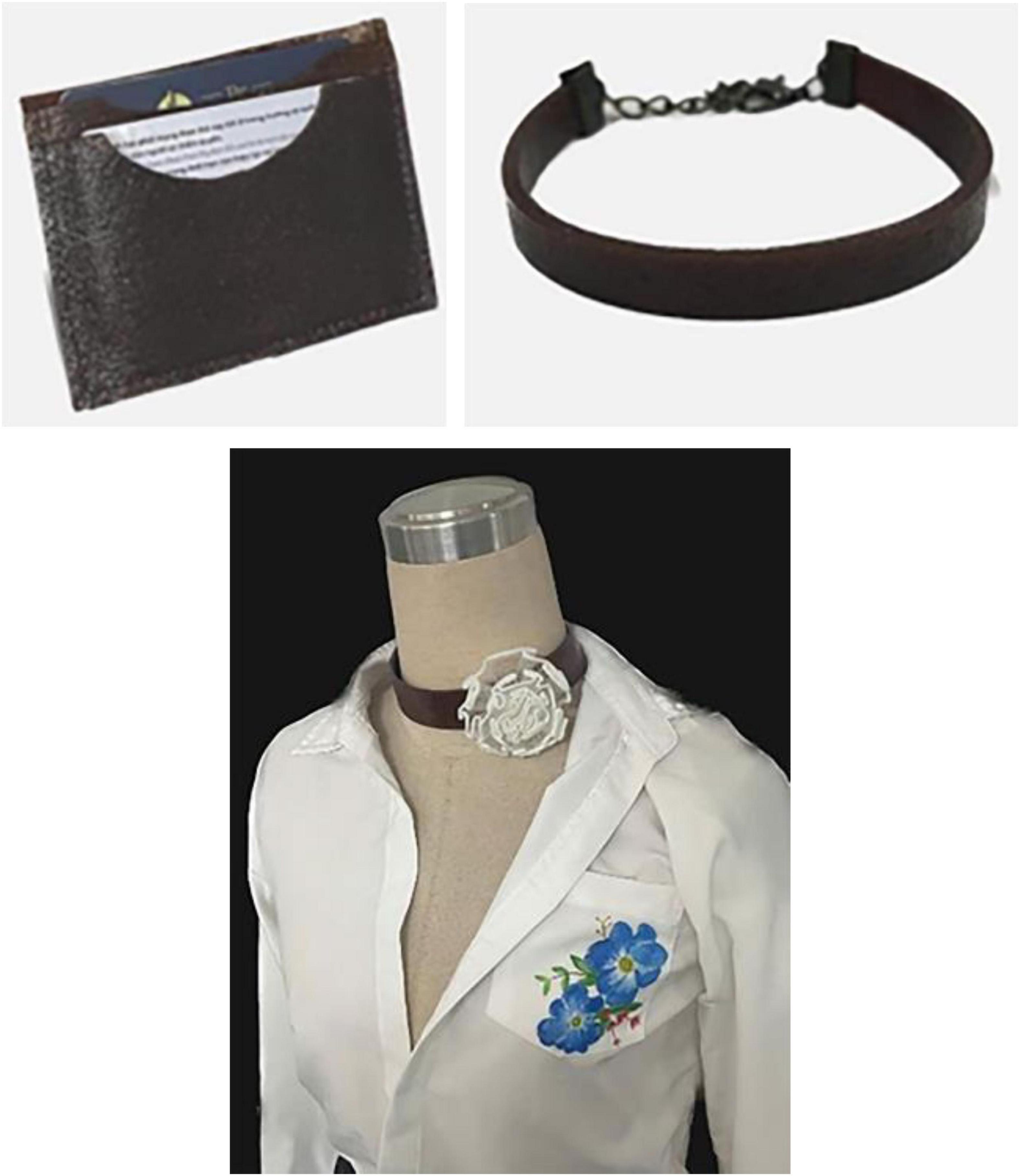
Figure 2. Cardholder, bracelet, and necklace made from mango-based bioleather fabric.
However, the water resistance of the material remains a notable limitation. Although the chitosan coating is biodegradable (33), it is still insufficient in protecting the material against prolonged water exposure. A potential strategy for improvement is to integrate composite materials into the surface coating, such as biobased polyurethanes (34), natural waxes (35, 36), or nanocomposite films (37). This approach has been proven to effectively fortify biobased materials against moisture by reducing surface hydrophilicity (35), ultimately extending their service life and broadening their range of potential applications in the fashion industry.
Additionally, as a natural resource, mangoes offer significant recycling potential. Mango seeds, which are rich in fats, proteins, minerals, and fibers, can be utilized across various fields, including cosmetics, functional food ingredients, antimicrobial compounds, and vegetable oils (38).
To ensure environmental sustainability, the material is coated with chitosan, a natural biopolymer that can decompose under the action of enzymes like chitosanase and lysozyme (39). This degradation process produces nontoxic byproducts such as glucosamine and acetic acid (40). As a result, the mango-based leather material can biodegrade safely, minimizing its impact on the environment.
This research establishes a critical framework for converting agricultural mango byproducts into functional biocomposites. While the current findings are promising, continued development will be essential to refine the material’s mechanical properties and unlock its full commercial potential in the fashion sector and beyond.
Conclusion
First of all, the study identified optimal chemical ratios for the production of bioleather fabric. The results show that gelatin can be successfully replaced by pectin while maintaining comparable texture and material properties without requiring major adjustments to the fabrication process.
In addition, drying temperature and duration were found to play a critical role in the overall quality of the material. Experimental results indicated that convection drying at 70°C for 14 hours provided stable and uniform samples, contributing positively to the success of the production process.
The study also experimented with a chitosan coating solution. Although the coating did not achieve the desired water resistance, it significantly improved the wettability compared to uncoated mango leather material. The mechanical properties were rigorously tested according to international leather standards (ISO).
Although the research is still at a preliminary stage and the material has not yet been fully optimized, the findings offer several directions for future development. The material still has limitations in terms of durability; however, its aesthetic qualities suggest that it could be used for fashion accessories in its early stages.
To bring this material to practical use and mass production, the authors propose several recommendations for further development. Firstly, additional research and comprehensive evaluation of the material’s properties are necessary. Beyond durability and water resistance, other textile properties should also be explored. Secondly, studies should be conducted using different mango varieties as well as other coating materials. This is important because chitosan degrades faster than synthetic polymers under natural conditions, which potentially affects the product’s quality and lifespan. Thirdly, as the research was conducted on a laboratory scale, the forming and coating processes were done manually. Therefore, the shape, structure, and uniformity of the products were not fully guaranteed. Future research should focus on improving the product with the support of specialized machinery.
Finally, due to time constraints, this study focused only on two key properties relevant to the production of small bioleather accessories. Other properties related to garment manufacturing were beyond the scope of this work. The authors acknowledge the reviewers’ suggestions and intend to incorporate them into future studies.
Funding
This research was funded by Ho Chi Minh City University of Technology, VNU-HCM (Grant Number SVCQ-2023-CK-119).
Acknowledgments
The authors thank Ho Chi Minh City University of Technology—VNU-HCM for providing equipment and supporting time for the research.
Conflict of interest
The authors declare that the research was conducted in the absence of any commercial or financial relationships that could be construed as a potential conflict of interest.
References
1. Dhir YJ. Natural fibers: the sustainable alternatives for textile and non-textile applications. In: Han-Yong J editor. Natural fiber. London: IntechOpen (2022). doi: 10.5772/intechopen.106393
2. Amjad AI. Bamboo fibre: a sustainable solution for textile manufacturing. Adv Bamboo Sci. (2024) 7:100088. doi: 10.1016/j.bamboo.2024.100088
3. Shaker K, Khan RMWU, Jabbar M, Umair M, Tariq A, Kashif M , et al. Extraction and characterization of novel fibers from Vernonia elaeagnifolia as a potential textile fiber. Ind Crops Prod. (2020) 152:112518. doi: 10.1016/j.indcrop.2020.112518
4. Collet C. Biotextiles: making textiles in a context of climate and biodiversity emergency. In: Materials Experience 2. Butterworth-Heinemann (2021). p. 207–26. doi: 10.1016/B978-0-12-819244-3.00029-6
5. Meyer M, Dietrich S, Schulz H, Mondschein A. Comparison of the technical performance of leather, artificial leather, and trendy alternatives. Coatings. (2021) 11(2):226. doi: 10.3390/coatings11020226
6. Duangsuwan S, Junkong P, Phinyocheep P, Thanawan S, Amornsakchai T. Development of green leather alternative from natural rubber and pineapple leaf fiber. Sustainability. (2023) 15(21):15400. doi: 10.3390/su152115400
7. Jones M, Gandia A, John S, Bismarck A. Leather-like material biofabrication using fungi. Nat Sustain. (2021) 4(1):9–16. doi: 10.1038/s41893-020-00606-1
8. Amobonye A, Lalung J, Awasthi MK, Pillai S. Fungal mycelium as leather alternative: a sustainable biogenic material for the fashion industry. Sustain Mater Technol. (2023) 38:e00724. doi: 10.1016/j.susmat.2023.e00724
9. Nayak R, Cleveland D, Tran G, Joseph F. Potential of bacterial cellulose for sustainable fashion and textile applications: a review. J Mater Sci. (2024) 59(16):6685–710. doi: 10.1007/s10853-024-09577-6
10. Vinay M. Sustainable textiles through microbe-produced bioleather. Commun Eng. (2022) 1(1):22. doi: 10.1038/s44172-022-00022-7
11. Nguyen HT, Saha N, Ngwabebhoh FA, Zandraa O, Saha T, Saha P. Kombucha-derived bacterial cellulose from diverse wastes: a prudent leather alternative. Cellulose. (2021) 28:9335–53. doi: 10.1007/s10570-021-04100-5
12. Kim H, Kim HR. Production of coffee-dyed bacterial cellulose as a bio-leather and using it as a dye adsorbent. PLoS One. (2022) 17(3):e0265743. doi: 10.1371/journal.pone.0265743
13. Yang F, Zhang Z, Yuan J, Xu J, Ji Q, Bai Y. Eco-friendly production of leather-like material from bacterial cellulose and waste resources. J Clean Prod. (2024) 476:143700. doi: 10.1016/j.jclepro.2024.143700
14. Ariram N, Madhan B. Development of bio-acceptable leather using bagasse. J Clean Prod. (2020) 250:119441. doi: 10.1016/j.jclepro.2019.119441
15. Vijeandran K, Vu Thanh TA. Synthesis of vegan leather using plant-based substrates: a preliminary study. Def Diffus Forum. (2021) 411: 57–66. doi: 10.4028/www.scientific.net/DDF.411.57
16. Malhi N, Carragher J, Saarela M, Pahl S. A Review of Opportunities to Recover Value from Apple and Pear Pomace. Adelaide, Australia: Fight Food Waste Cooperative Research Centre (2021). p. 4–29.
17. Mongabay.Sustainable Fashion: Biomaterial Revolution Replacing Fur and Skins. Mongabay (2022). Available online at: https://news.mongabay.com/2022/04/sustainable-fashion-biomaterial-revolution-replacing-fur-and-skins/ (Accessed February 7, 2025).
18. Kefale GY, Kebede ZT, Birlie AA. A systematic review on potential bio leather substitute for natural leather. J Eng. (2023) 2023(1):1629174. doi: 10.1155/2023/1629174
19. Your Bag, Wallet or Belt Can Now Be Made of ‘The King of Fruits’ – Mango. WION (2023). Available online at: https://www.wionews.com/science/your-bag-wallet-or-belt-can-now-be-made-of-the-king-of-fruits-mango-588237 (Accessed March 10, 2025).
20. Dumitrescu D, Kooroshnia M, Syed S, Zamani A. Orange waste films as a raw material for designing bio-based textiles: a hybrid research method. Mater Sci Forum. (2022) 1063: 3–14. doi: 10.4028/p-07b811
21. Reza Md M, Begum HA, Uddin AJ. Potentiality of sustainable corn starch-based biocomposites reinforced with cotton filter waste of spinning mill. Heliyon. (2023) 9(5):e15697. doi: 10.1016/j.heliyon.2023.e15697
22. Conscious Life and Style.Plant-Based Leather Alternatives Made from Fruit Waste. Conscious Life and Style (2021). Available online at: https://www.consciouslifeandstyle.com/plant-based-leather-alternatives-fruit-waste/ (Accessed February 15, 2025).
23. Saha N, Ngwabebhoh FA, Nguyen HT, Saha P. Environmentally friendly and animal free leather: fabrication and characterization. In: AIP Conference Proceedings. AIP Publishing (2020). doi: 10.1063/5.0028467
24. Wjunow C, Moselewski KL, Huhnen Z, Sultanova S, Sabantina L. Sustainable textiles from unconventional biomaterials—cactus based. Eng Proc. (2023) 37(1):58. doi: 10.3390/ECP2023-14652
25. Gunawan AC, Adita S, Purwanto. Perancangan kap lampu dekoratif berbahan bio leather kacang kedelai. J Kreat Desain Prod Ind Arsit. (2022) 10(1):8. doi: 10.46964/jkdpia.v10i1.207
26. Stirpad.Peelsphere Recycles Fruit Waste into Leather-Alternative Biomaterial. Stirpad (2022). Available online at: https://www.stirpad.com/news/stir-news/peelsphere-recycles-fruit-waste-into-leather-alternative-biomaterial/ (Accessed March 25, 2025).
27. Othman H, Ragab MM, Hassabo AG. Utilization of regenerated cellulose fiber (banana fiber) in various textile applications and reinforced polymer composites. J Text Color Polym Sci. (2024) 21(3):51–71. doi: 10.21608/jtcps.2024.258999.1267
28. Huzaisham NA, Marsi N. Utilization of banana (Musa paradisiaca) peel as bioplastic for planting bag application. Int J Adv Res Eng Technol. (2020) 11(4):108–18. Available online at: https://iaeme.com/Home/issue/IJARET?Volume=11&Issue=4
29. International Organization for Standardization (ISO).ISO, NFEN. 13937-1; Textiles—Tear Properties of Fabrics—Part 1: Determination of Tear Force Using Ballistic Pendulum Method (Elmendorf). Brussels, Belgium: European Standard (2000).
31. Peirce FT. 26-The “handle” of cloth as a measurable quantity. J Text Inst Trans. (1930) 21(9):T377–416. doi: 10.1080/19447023008661529
32. Meyer M, Dietrich S, Schulz H, Mondschein A. Comparison of the technical performance of leather, artificial leather, and trendy alternatives. Coatings. (2021) 11(2):226.
33. Fernandes IP, Amaral JS, Pinto V, Ferreira MJ, Barreiro MF. Development of chitosan-based antimicrobial leather coatings. Carbohydr Polym. (2013) 98(1):1229–35.
34. Kefale GY, Kebede ZT, Birlie AA. A systematic review on potential bio leather substitute for natural leather. J Eng. (2023) 2023(1):1629174.
35. da Silva Junior CJG, de Amorim JDP, de Medeiros ADLM, de Holanda Cavalcanti AKL, do Nascimento HA, Henrique MA , et al. Design of a naturally dyed and waterproof biotechnological leather from reconstituted cellulose. J Funct Biomater. (2022) 13(2):49.
36. Sahu B, Janani V, Bhalla A, Javid MA. Impact of flax seed protein and beeswax emulsion blend on leather finishing-a novel eco-benign formulation. J Am Leather Chem Assoc. (2023) 118(8):340–5.
37. Basumatary IB, Mukherjee A, Katiyar V, Kumar S. Biopolymer-based nanocomposite films and coatings: recent advances in shelf-life improvement of fruits and vegetables. Crit Rev Food Sci Nutr. (2022) 62(7):1912–35. doi: 10.1080/10408398.2020.1848789
38. Zafar TA, Sidhu JS. Composition and nutritional properties of mangoes. In: Siddiq M, Brecht JK, Sidhu JS editors. Handbook of Mango Fruit: Production, Postharvest Science, Processing Technology and Nutrition. Chichester, UK: John Wiley & Sons Ltd (2017). p. 217–36.
39. Lončarević A, Ivanković M, Rogina A. Lysozyme-induced degradation of chitosan: the characterisation of degraded chitosan scaffolds. J Tissue Repair Regen. (2017) 1(1):12–22.
40. Roy J, Salaün F, Giraud S, Ferri A, Guan J. Chitosan-based sustainable textile technology: process, mechanism, innovation, and safety. In: Shalaby EA editor. Biological Activities and Application of Marine Polysaccharides. Rijeka, Croatia: IntechOpen (2017). p. 251–78.
© The Author(s). 2026 Open Access This article is distributed under the terms of the Creative Commons Attribution 4.0 International License (https://creativecommons.org/licenses/by/4.0/), which permits unrestricted use, distribution, and reproduction in any medium, provided you give appropriate credit to the original author(s) and the source, provide a link to the Creative Commons license, and indicate if changes were made.